Finding product-market fit: Transforming a typing app into a modern learning platform
A data-driven journey from gamified typing practice to an educational platform teaching essential life skills
Role
Lead Product Designer
Scope
UX Research, Product Strategy, Gamification
Duration
18 Months (2023–2024)
Overview
Typezap initially launched as a gamified touch-typing platform, designed from scratch by me to help children learn interactively. While initial testing validated the user experience and showed high engagement among kids, we quickly hit a business roadblock. The conversion rate to subscribed users was unsustainably low. We discovered a major disconnect with our actual buyers: parents simply were not convinced that touch-typing alone was worth a long-term financial and time investment for their children, resulting in high customer acquisition costs.
Goal
To align the platform's core offering with the educational priorities and willingness-to-pay of parents and schools in order to achieve true product-market fit, efficient customer acquisition, and long-term retention.
Problem
While children genuinely enjoyed the gamified typing experience, the overall conversion rate to subscribed users remained low. This happened because touch-typing simply ranked too low on parents' priority lists to justify a long-term financial investment.
How research changed the product direction
Continuous research and campaign data changed our strategic direction from trying to force awareness for a niche typing tool, to repositioning Typezap entirely as a Modern Learning Platform based on things parents actually wanted.
Impact
Achieved
product-market fit
Successfully achieved product-market fit by pivoting the product to align directly with the educational priorities of parents and schools.
Established new
acquisition channels
Unlocked multiple high-converting acquisition channels, driving scalable growth primarily through the new Olympiads architecture and targeted contests.
Paid conversion grew
from 0.2% to 4% (20x)
Increased the overall conversion rate to paid subscriptions by offering high-priority learning subjects that buyers were actually willing to invest in.
6x increase in
user engagement
Average session time increased 6x as users engaged more deeply with the new curriculum subjects.
Stabilized long-term
retention at 45%
Grew and stabilized long-term user retention at ~45%, reflecting consistent and repeated use of the platform.
Established B2B growth
and partnerships
Scaled rapidly from 1 to 35+ schools, successfully onboarding over 5,000 students in just 3 months.
Project journey
Phase 1 was centered on launching the initial product, validating the user experience and high engagement with kids, conducting live user testing, and identifying our core business bottlenecks. Phase 2 focused on testing our first major hypothesis (Learn-o-Type) in an attempt to increase long-term subscription conversions. Phase 3 focused on launching our final version of the platform based on heavy UX research and gathered market data, successfully enabling new, high-converting customer acquisition channels, achieving product market fit and building partnerships.
Phase 1 - The Initial Launch & First Tests
This phase was centered on launching the initial product, validating the user experience and high engagement with kids, conducting live user testing, and identifying our core business bottlenecks.
Who is the Target Audience?
To accurately evaluate our platform, we first had to clearly define the split between our two distinct audience segments:
- •
The Users (Children, aged 6-15 years): The end-users interacting with the gamified platform, whose engagement we needed to capture.
- •
The Buyers (Parents and Schools): The decision-makers who hold the purchasing power and determine whether a subscription is worth the investment.
Competitive Research
During our initial research into major competitor platforms, we identified a critical flaw in the market. Existing typing tools often featured sudden jumps in difficulty levels. This caused users' typing speeds to drop unexpectedly, leading to intense frustration, loss of motivation, and ultimately causing them to abandon proper typing technique.
To solve this, I designed Typezap’s foundation with gradual difficulty progression as a core criterion. Difficulty only increased after users had sufficient practice with specific key combinations, ensuring their technique remained intact.
Furthermore, our research revealed that most competitors were not specifically tailored for children. They lacked critical retention features like a notification system to recall users and a friends ecosystem to foster healthy community competitiveness—elements our data showed were vital for sustaining engagement in younger users.
| Feature / Criteria | Typezap | TypingClub | Typing.com |
|---|---|---|---|
| Gradual Difficulty Progression | ✅ Yes (Dynamically adjusts) | 🟨 Partial (Linear) | 🟨 Partial (Linear) |
| Structured Course | ✅ Yes | ✅ Yes | ✅ Yes |
| Affective Computing | ✅ Yes | ❌ No | ❌ No |
| Gamified Interface | ✅ Yes | ✅ Yes | ✅ Yes |
| Kids-specific Tailoring | ✅ Yes | ❌ No | ❌ No |
| Notification System | ✅ Yes | ❌ No | ❌ No |
| Friends Ecosystem | ✅ Yes | ❌ No | ❌ No |
| B2B School Integration | ✅ Yes | 🟨 Partial | ✅ Yes |
Phase 1: Key Screens — UI & Interaction Design
To make touch-typing engaging for children, I designed an immersive UI centered around gamification and clear feedback loops.
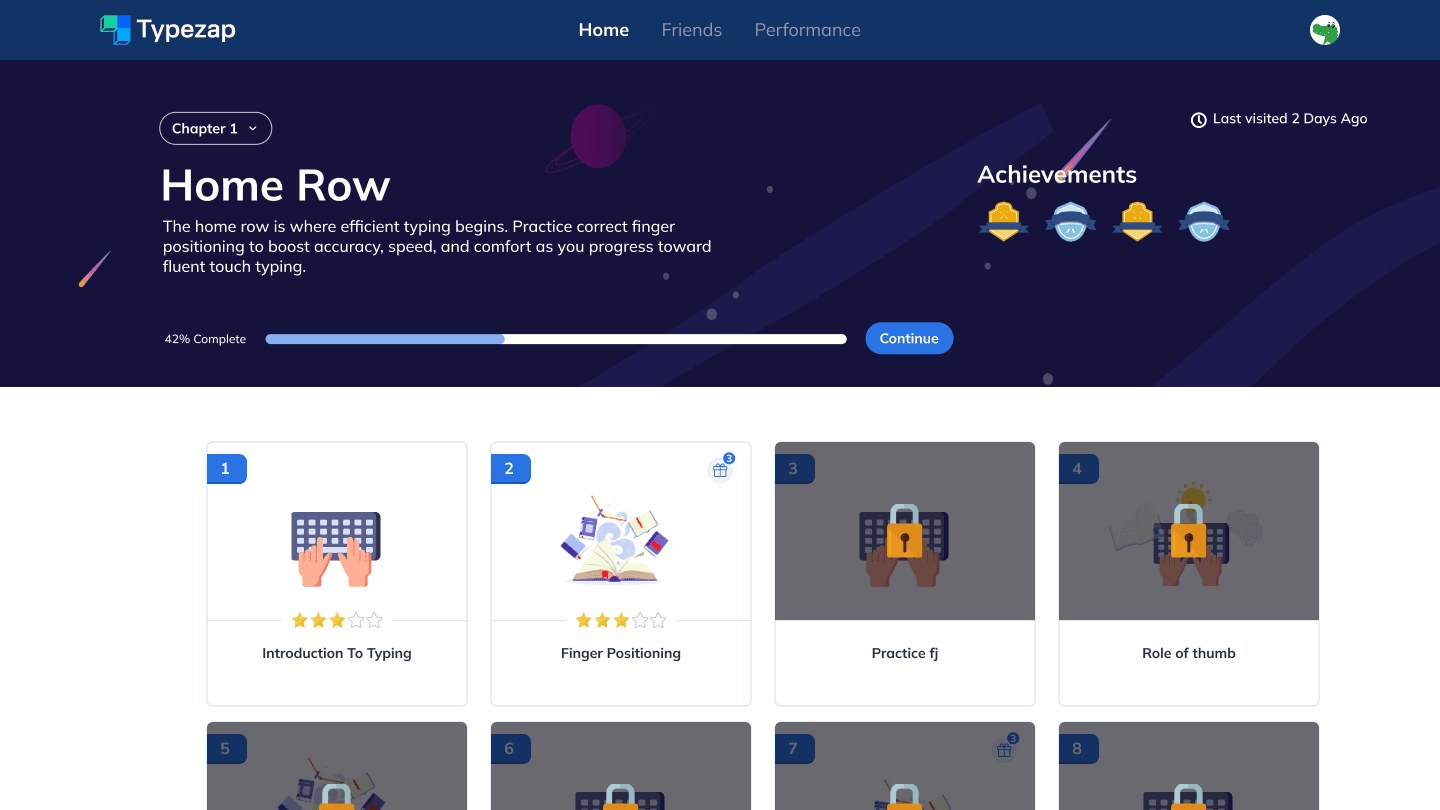
Course Layout
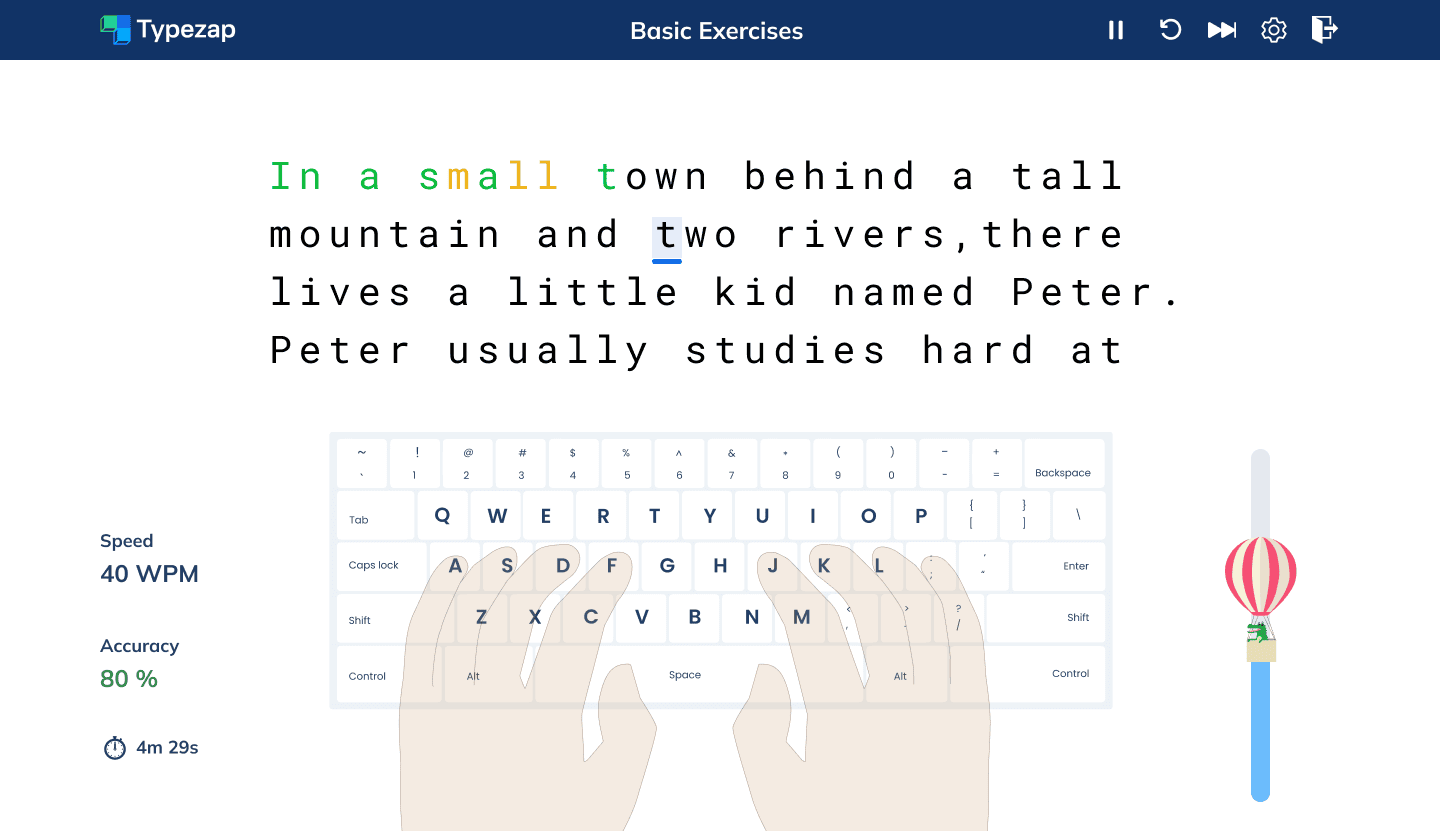
Typing Interface
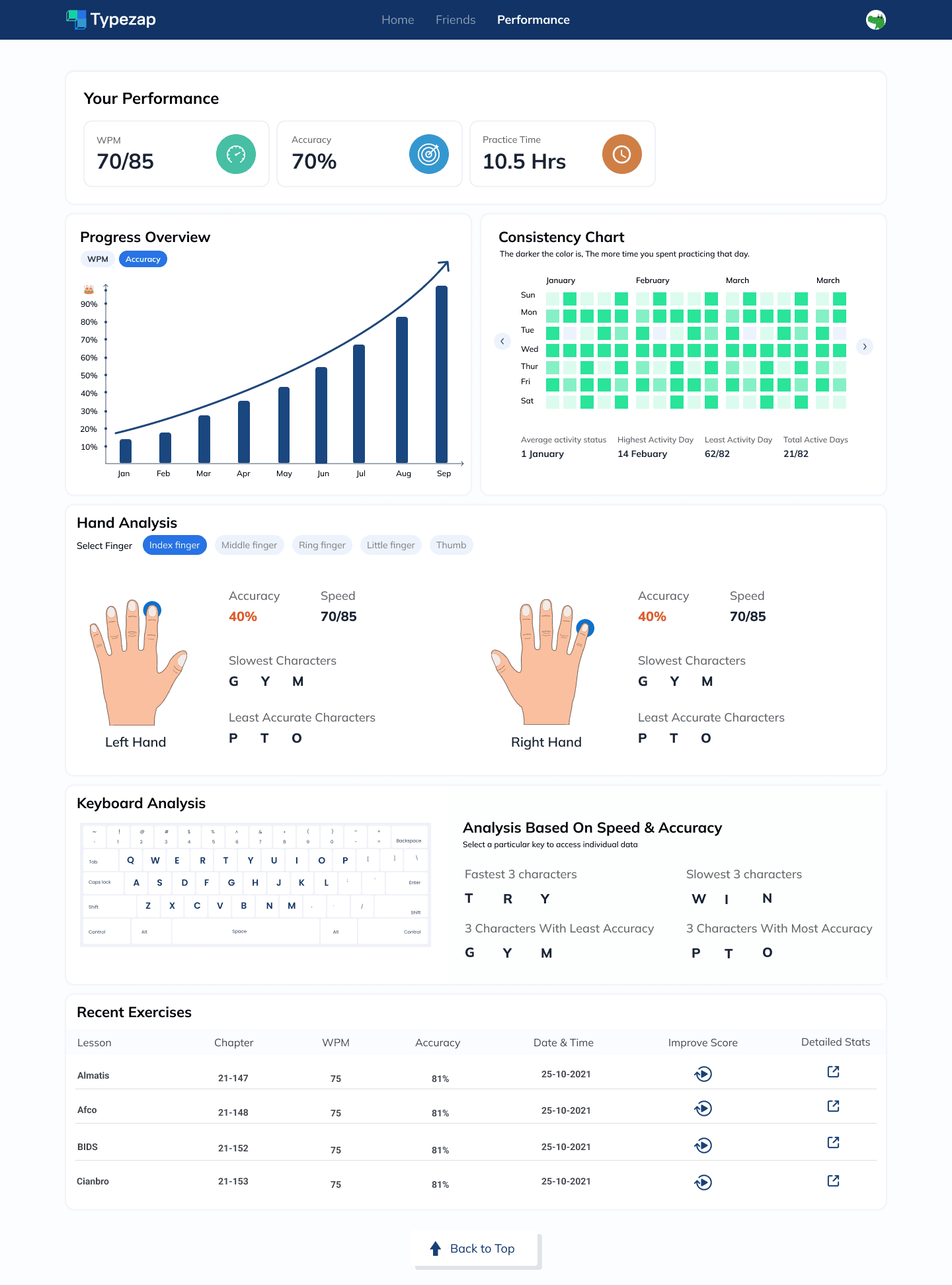
Performance Dashboard
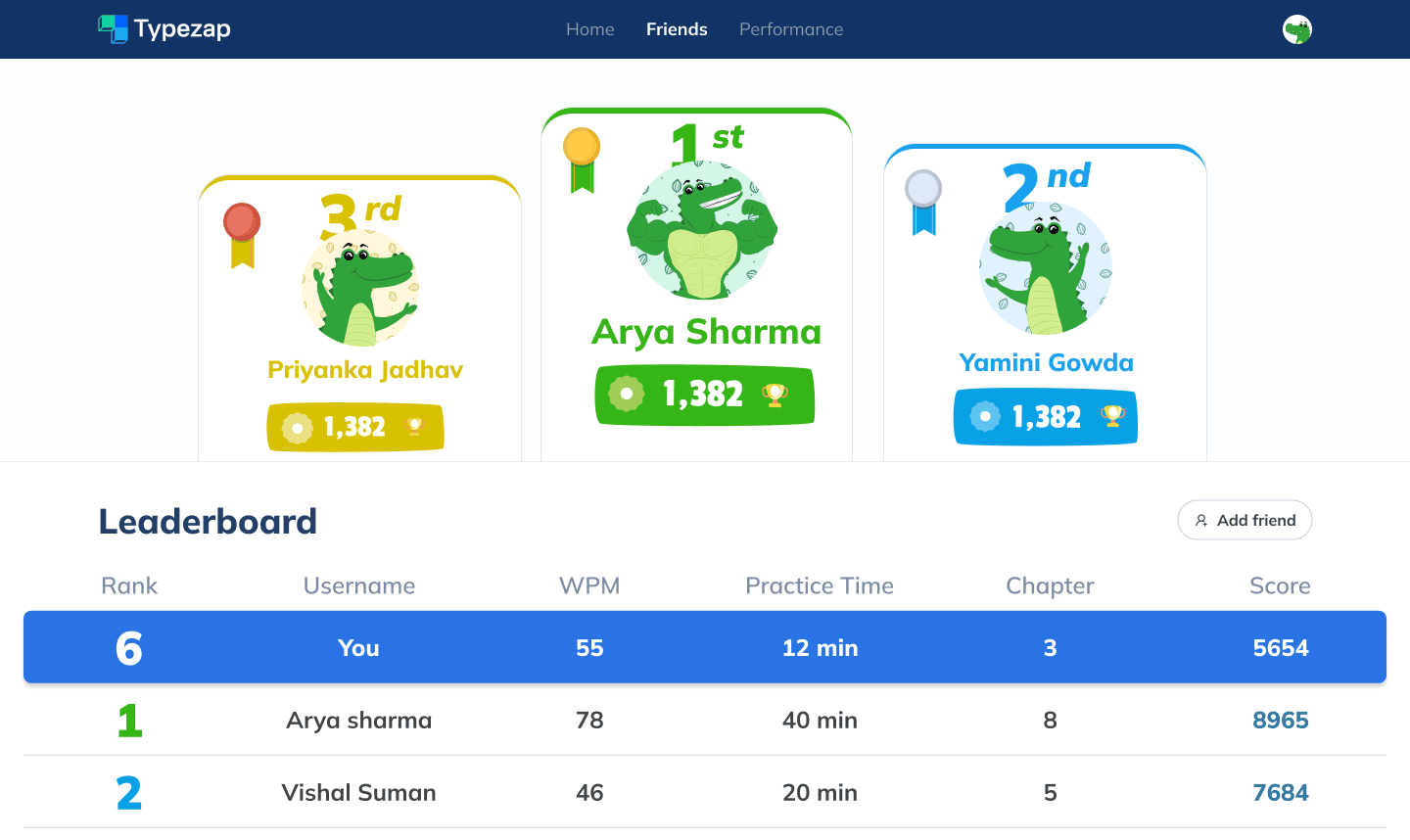
Leaderboard
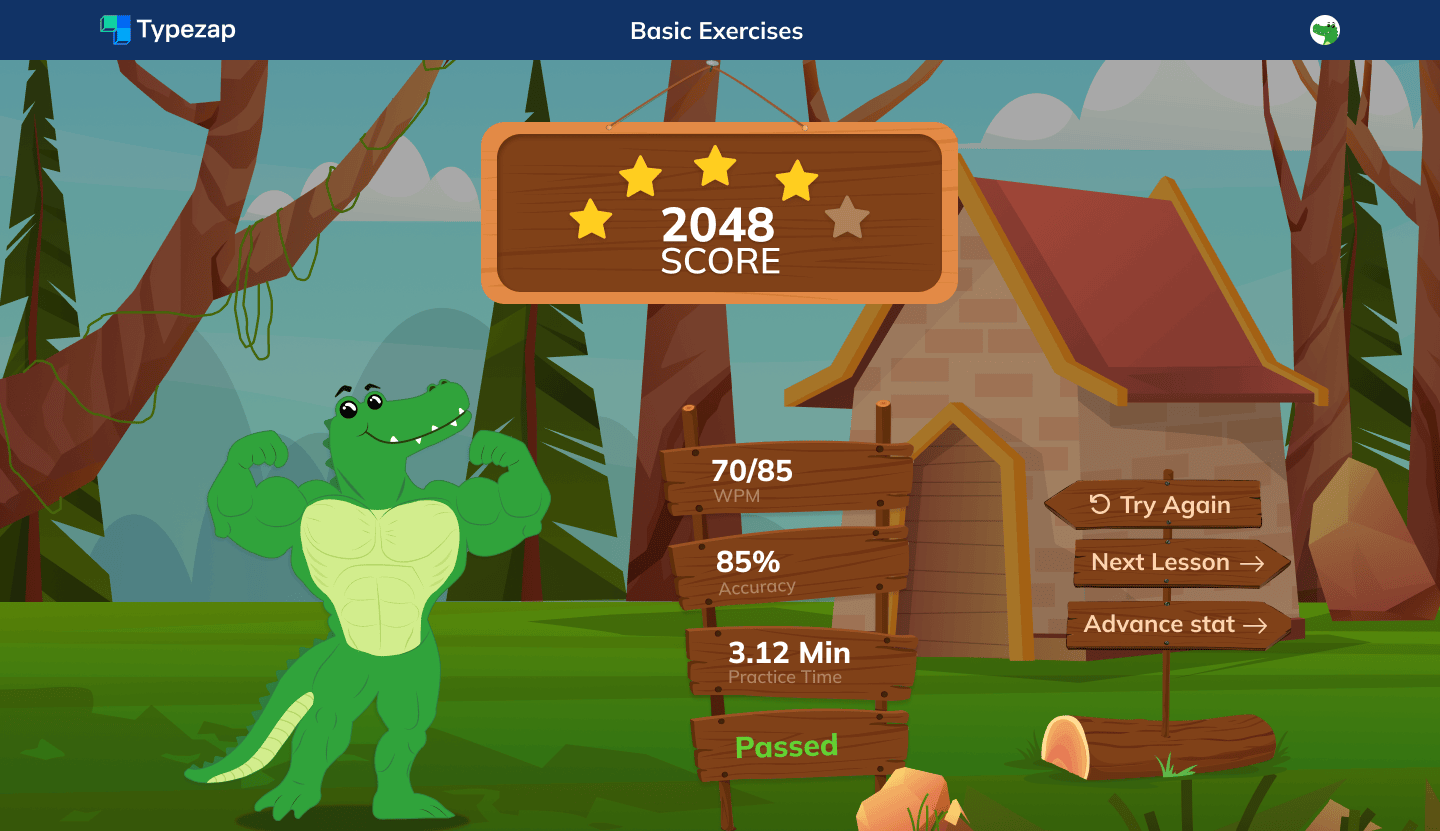
Exercise Result Page - Success
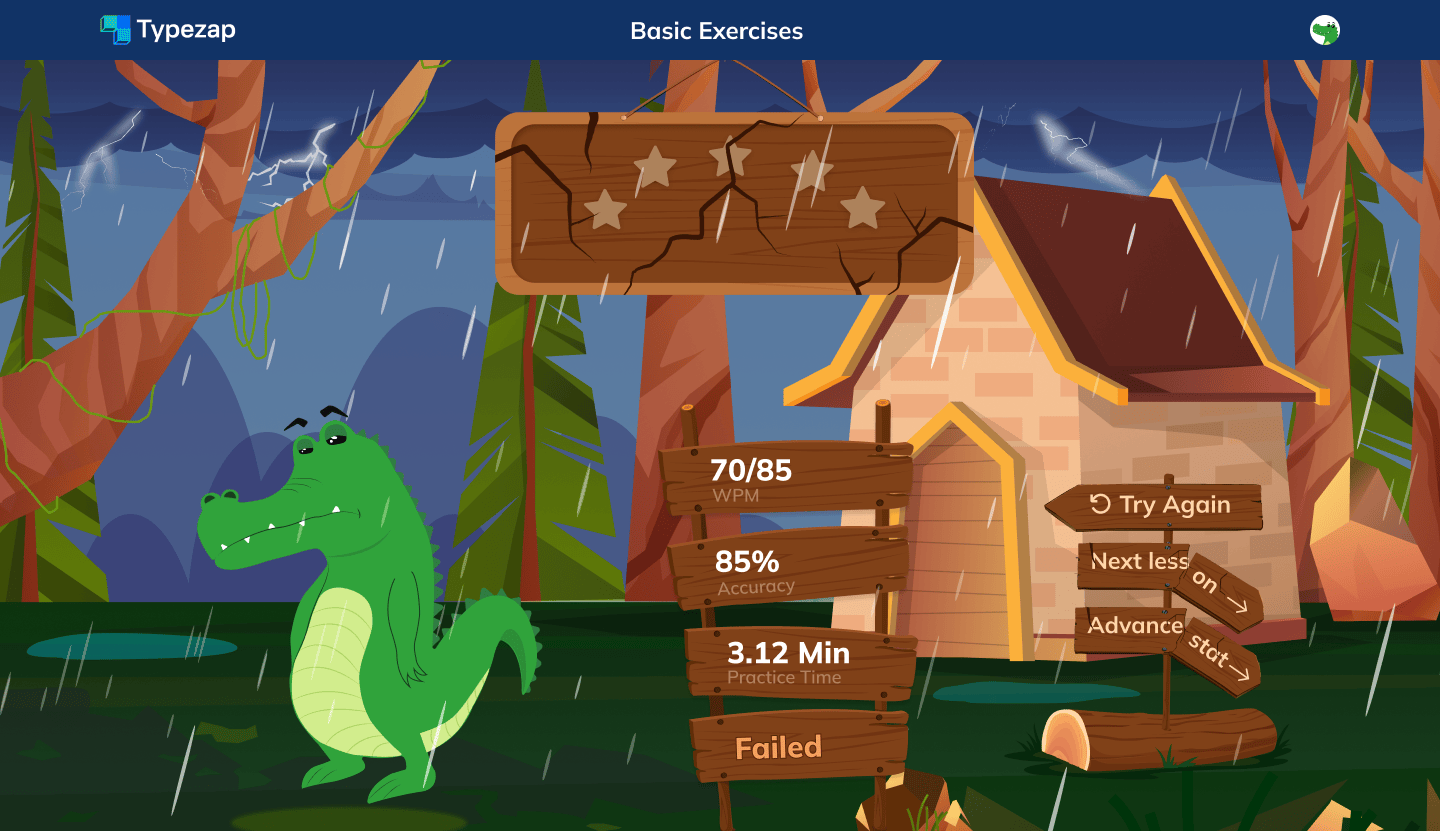
Exercise Result Page - Failure
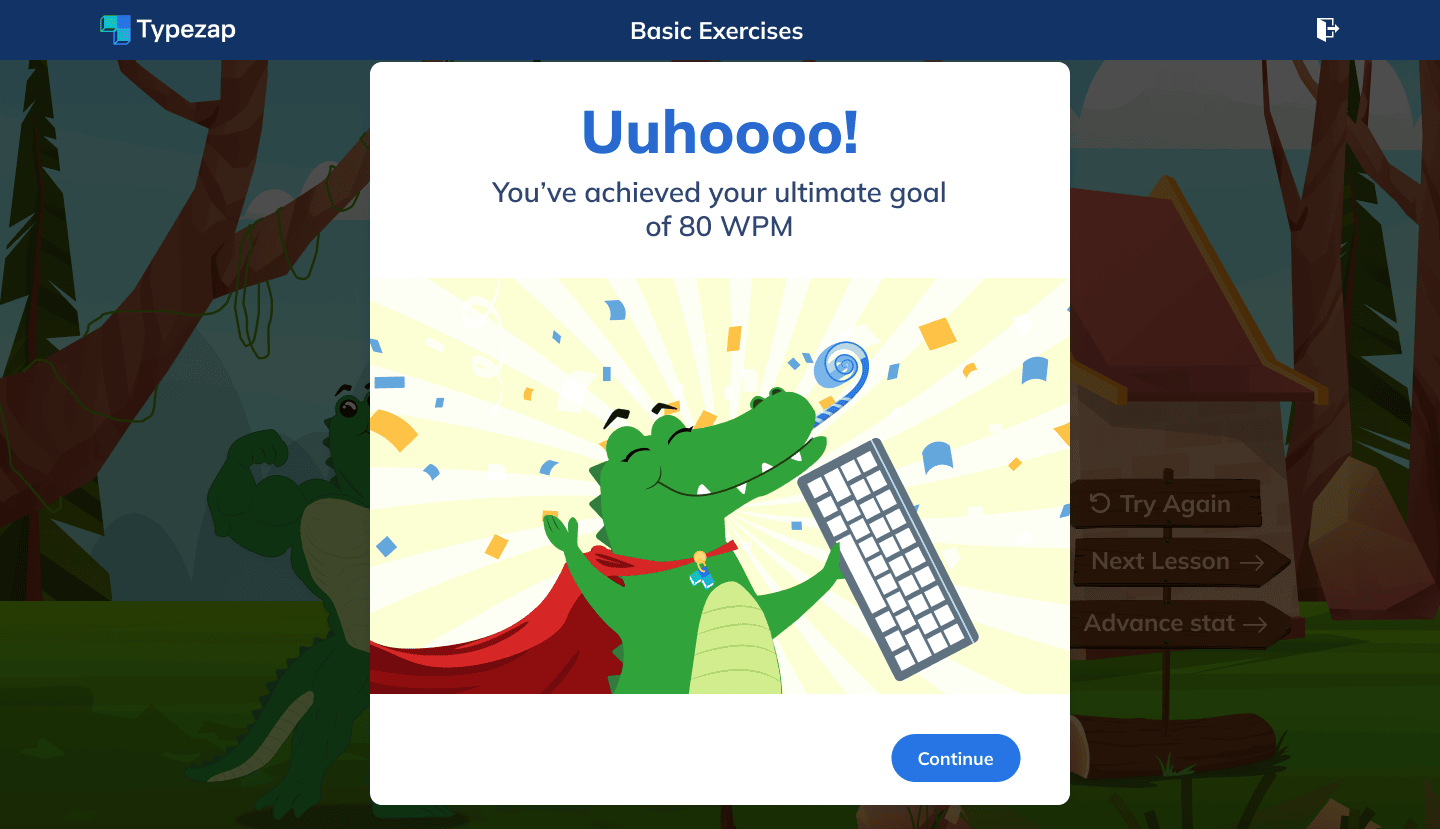
Goal Setting
.png)
Progress Tracking
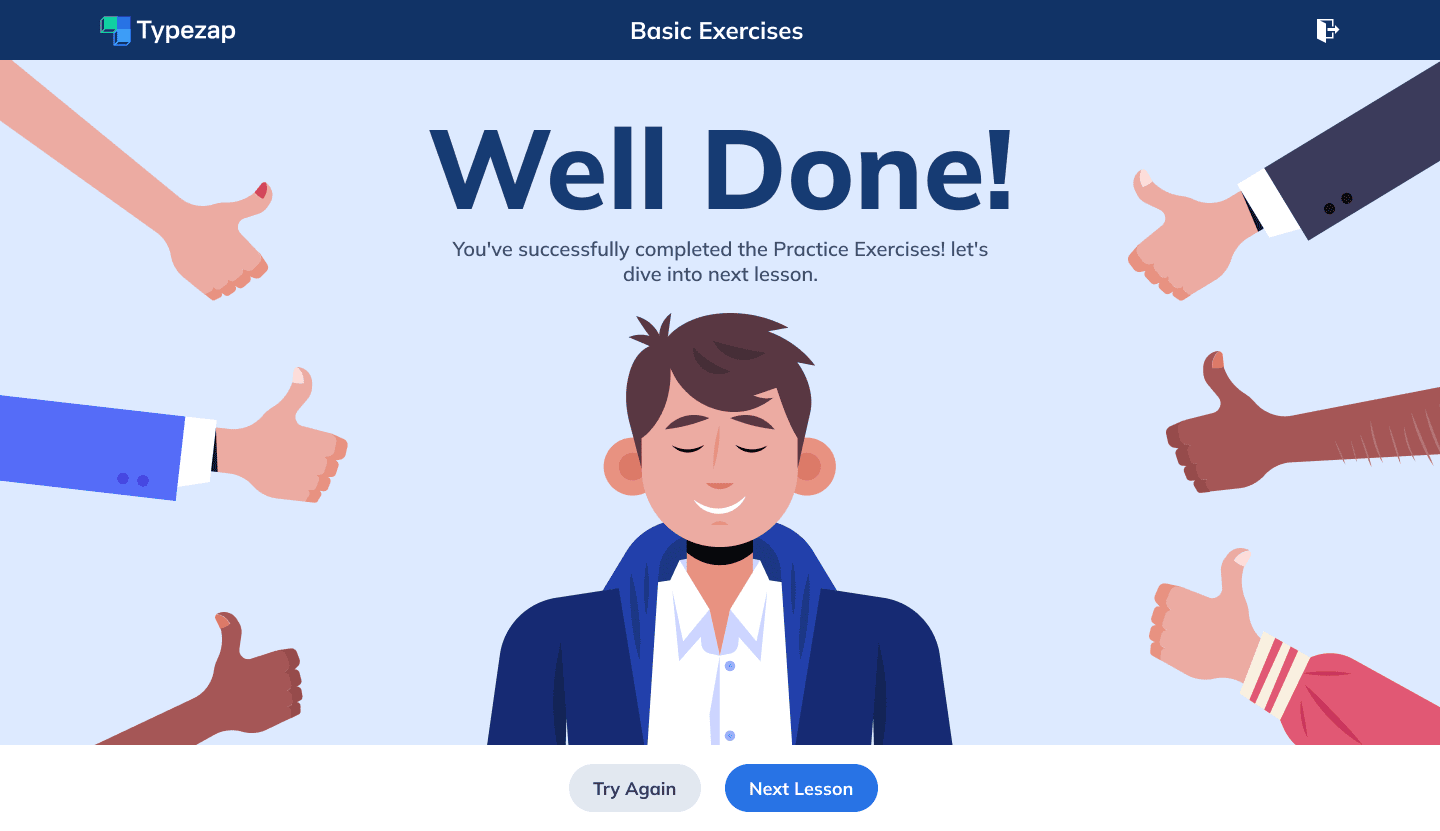
Task Completion
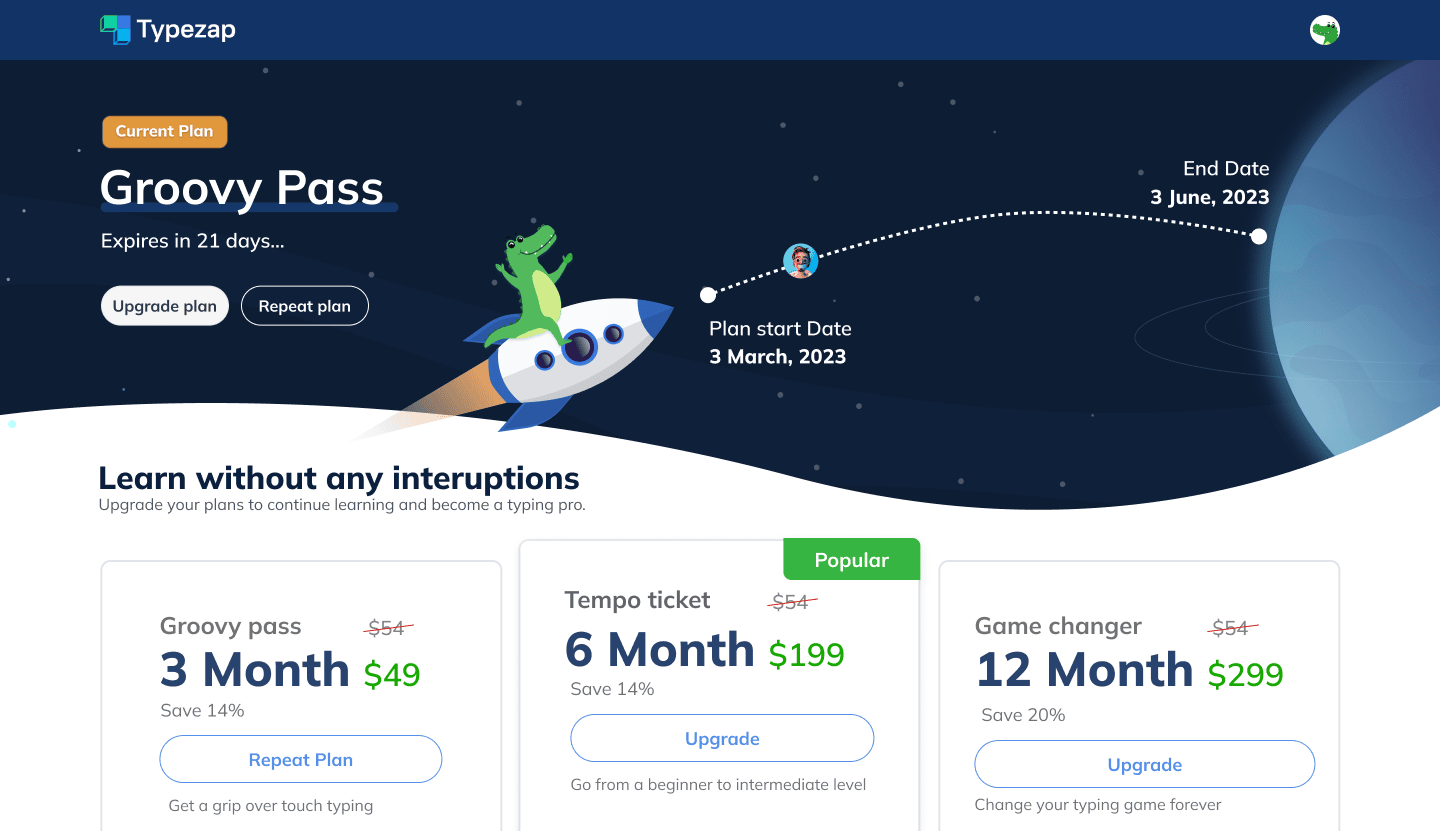
Plans Page for Subscribed User
Interviews, Live Observations & Data
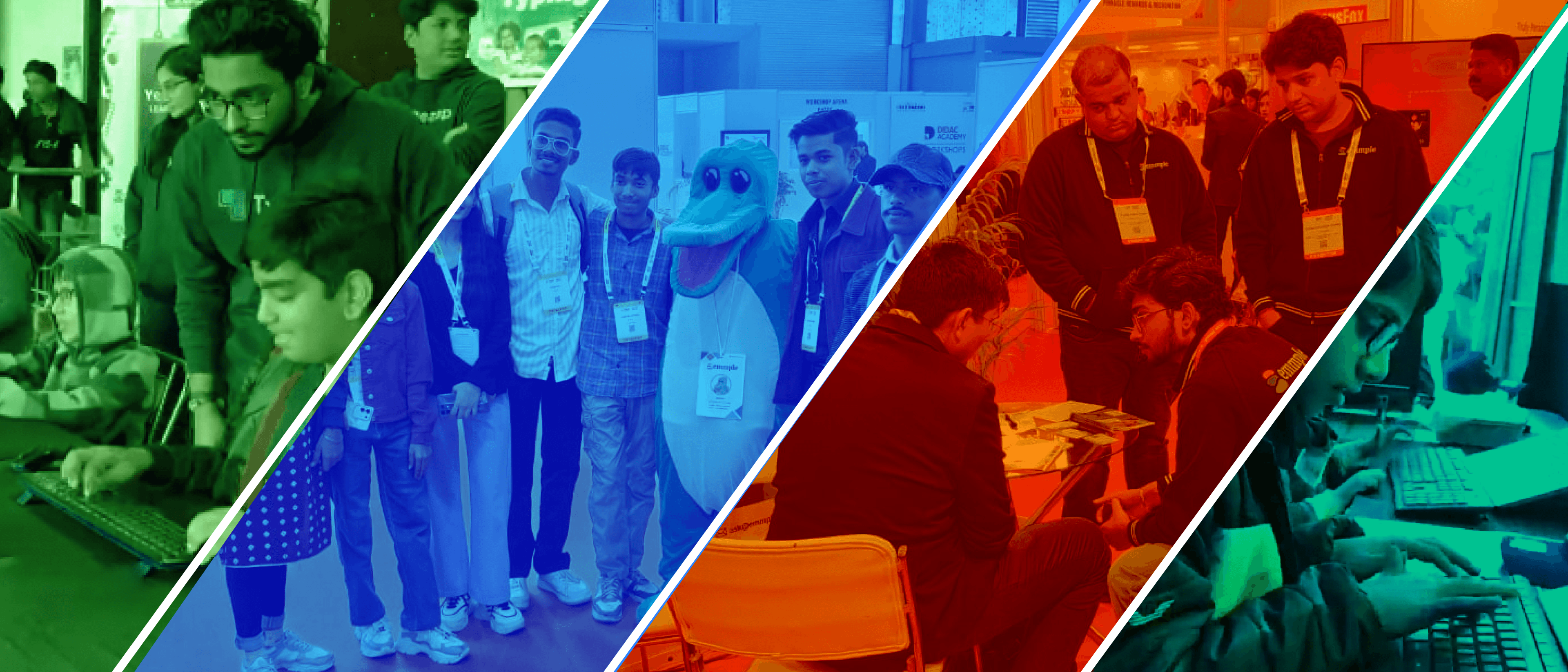
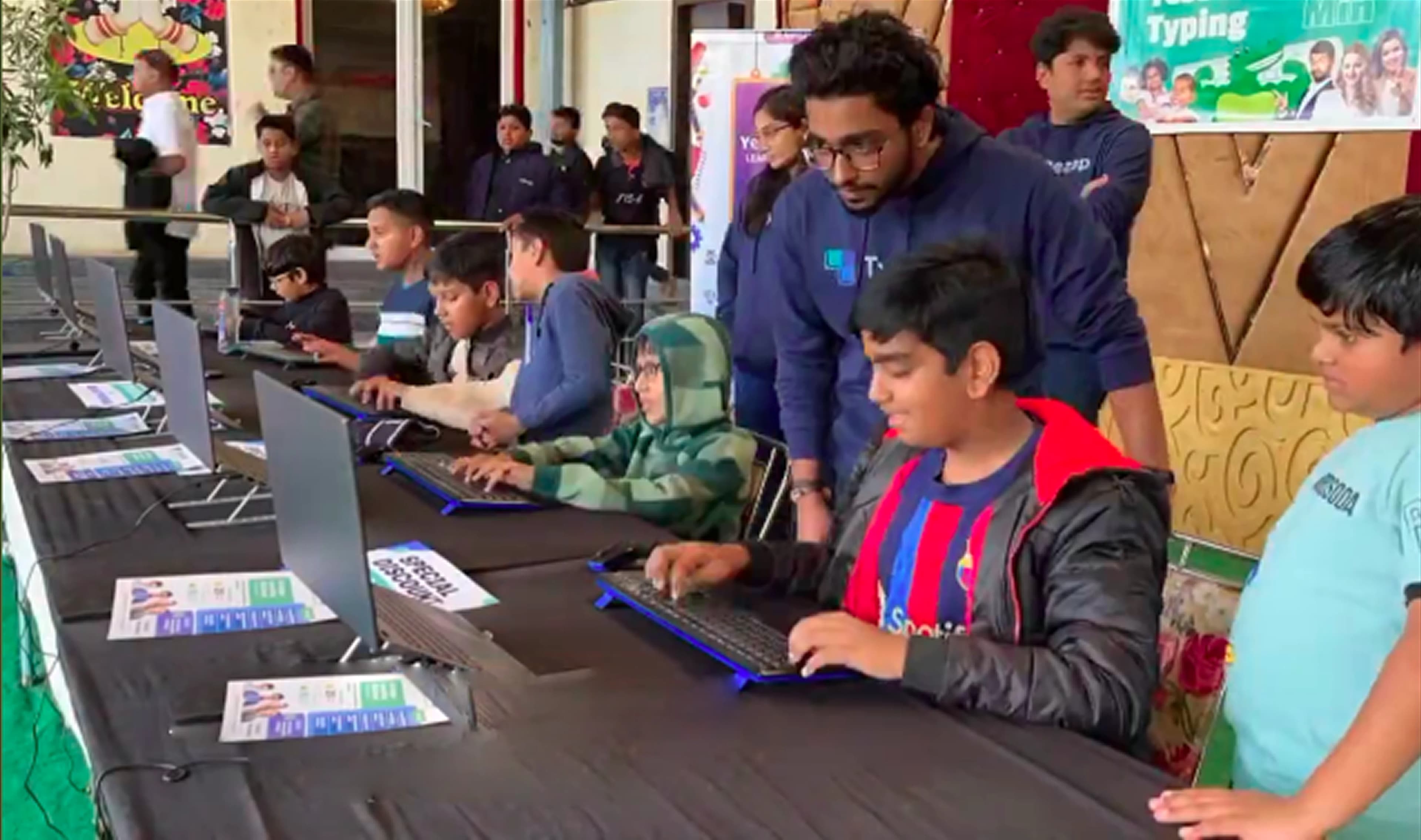
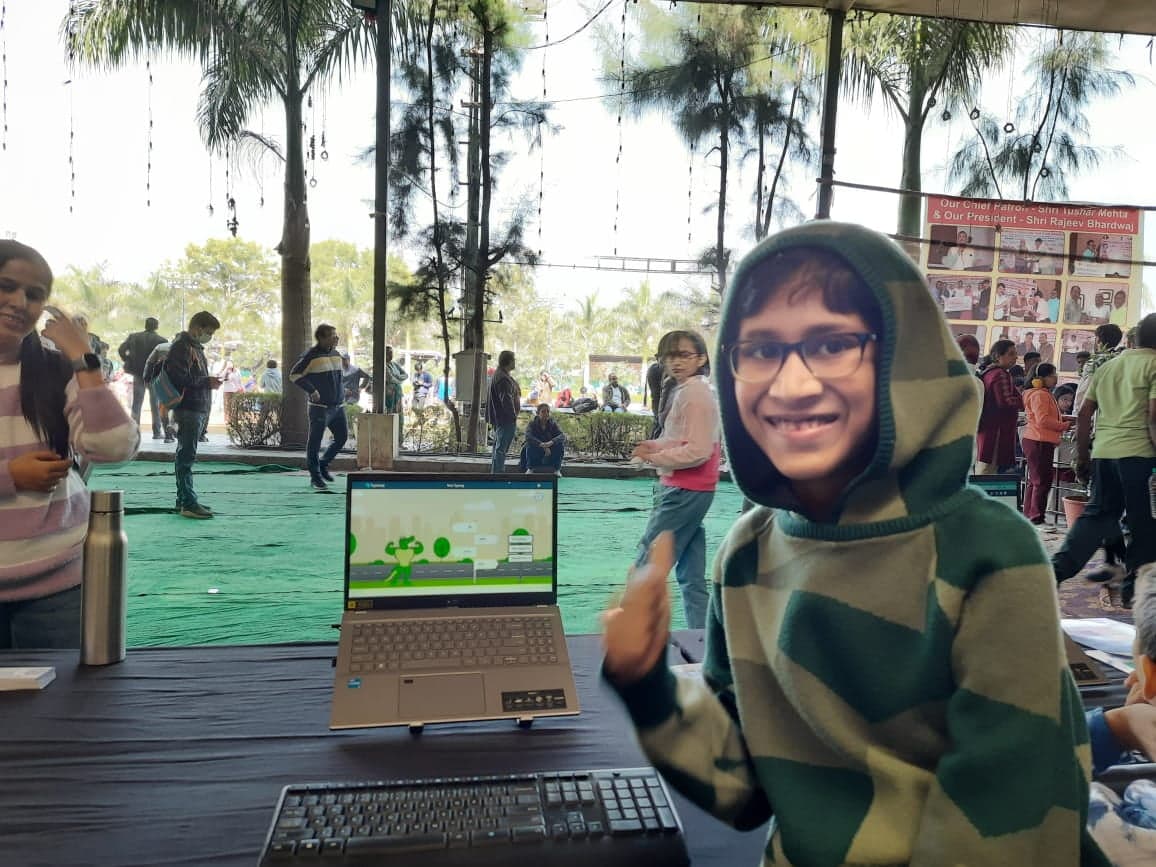
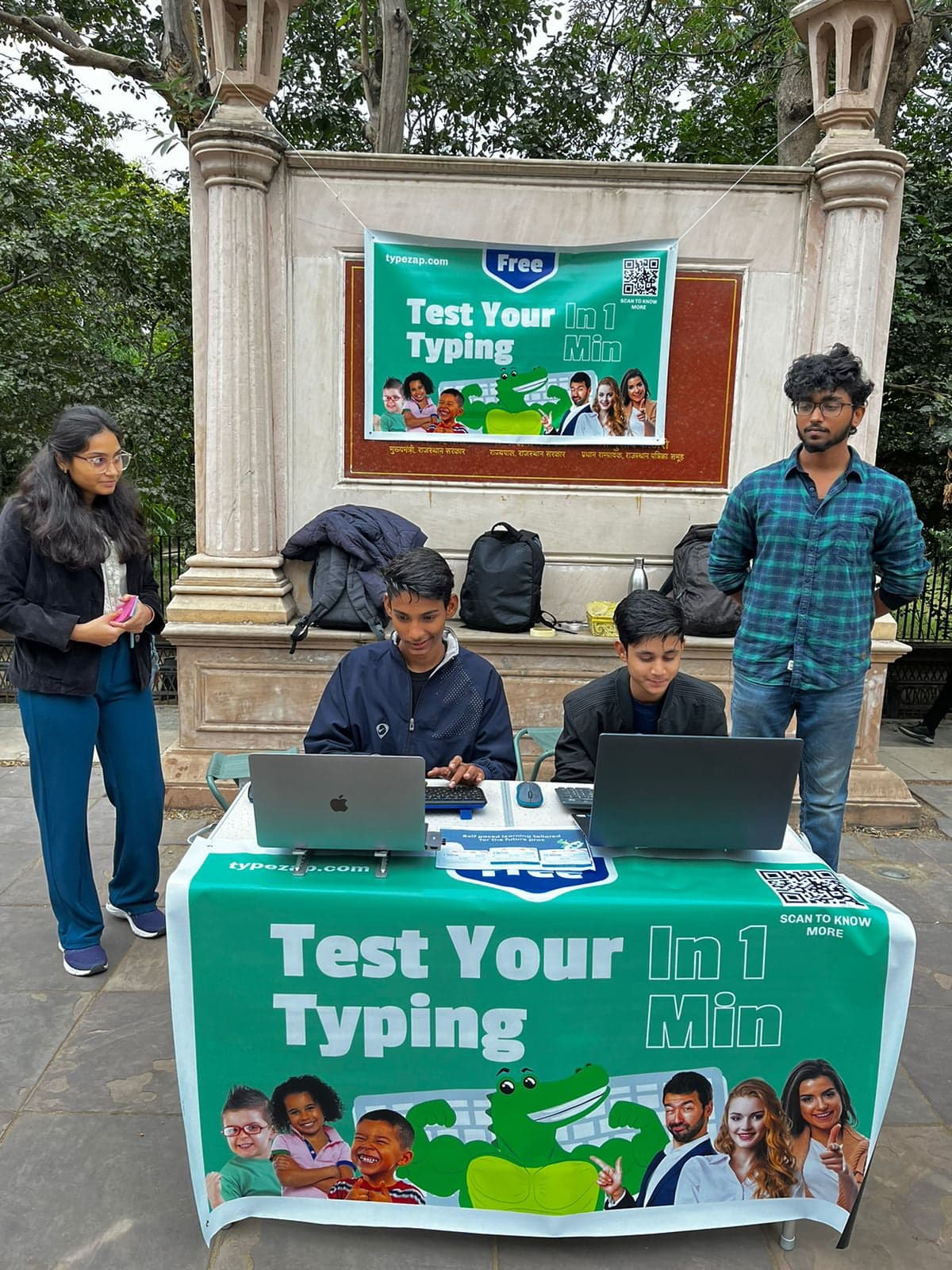
Once the design foundation—featuring a bright visual style, a scalable 4pt grid system, and our mascot Leorio—was launched, we tested the platform live at physical events and public demos. By combining live observations with user behavior data, we validated our core user experience. The data showed high initial engagement and strong session times among children, proving that our gamified UI was successfully keeping kids engaged.
Synthesis from Findings
Despite the high end-user engagement, we quickly identified a critical business bottleneck by analyzing the gap between our Users and Buyers:
- •
Observation Insight: Kids were able to navigate the platform entirely by themselves and genuinely enjoyed the gamified experience. Because of this immediate engagement, our on-event subscription conversions were actually very high.
- •
Data Insight (The Retention Reality): User behavior tracking via Mixpanel revealed that after Week 4 (D30), retention stabilized at around 30% (a 70% drop-off from initial sign-ups). Comparing these benchmarks, our 30% long-term retention rate was actually highly acceptable and proved our user experience was a success among children.
- •
Interview Insight: However, intercept interviews with parents revealed that once the initial excitement of the live event faded, touch-typing simply ranked too low on their educational priority lists.
The Key Takeaway:
While we successfully validated the user experience—achieving a long-term retention rate well above industry averages—the initial spike in event conversions didn't translate into a sustainable business. Crucially, in non-event scenarios, the overall conversion rate to active, paid subscriptions was too low. This happened because parents did not view touch-typing alone as a compelling enough skill or priority worth a continuing long-term financial investment.
Phase 2 - Ideate & Test: The First Hypothesis
This phase focused on testing our first major strategic hypothesis in an attempt to solve the buyer bottleneck and increase long-term subscription conversions.
The Hypothesis
To bridge the gap between user engagement (kids having fun) and buyer value (parents willing to pay), we hypothesized that integrating educational content directly into the typing exercises would increase the perceived value of the platform.
The Solution: Learn-o-Type
To test this hypothesis, we designed and launched Learn-o-Type. This feature combined our core typing practice with short educational facts. The UI was updated to seamlessly integrate text-based facts into the typing interface, with interactive feedback to gauge if the children were actually absorbing the information.
Learn-O-Type: Key Feature Screens
Experimental integration of educational facts into the typing flow to bridge the gap between user engagement and buyer value.
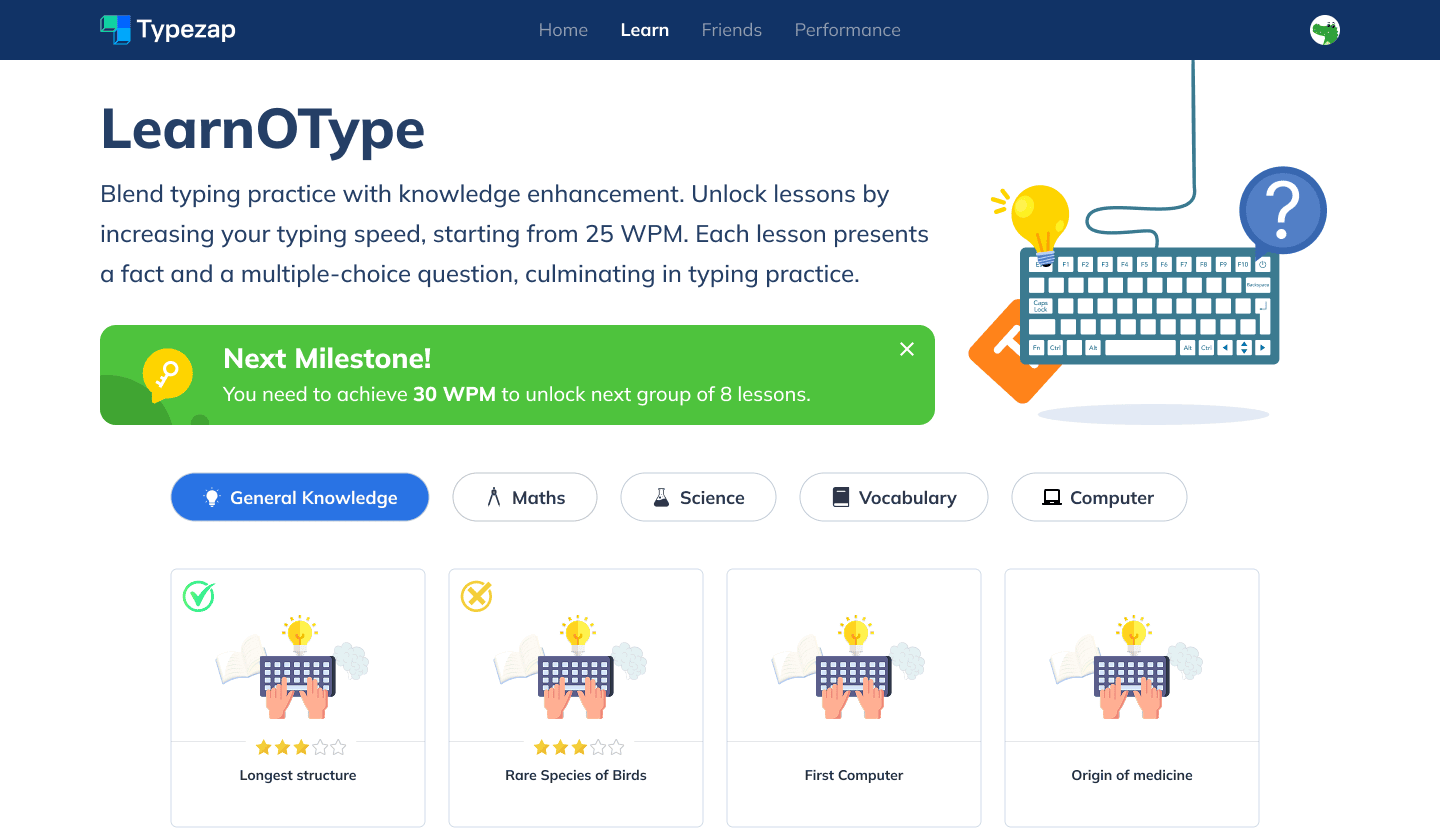
Learn-o-Type Interface
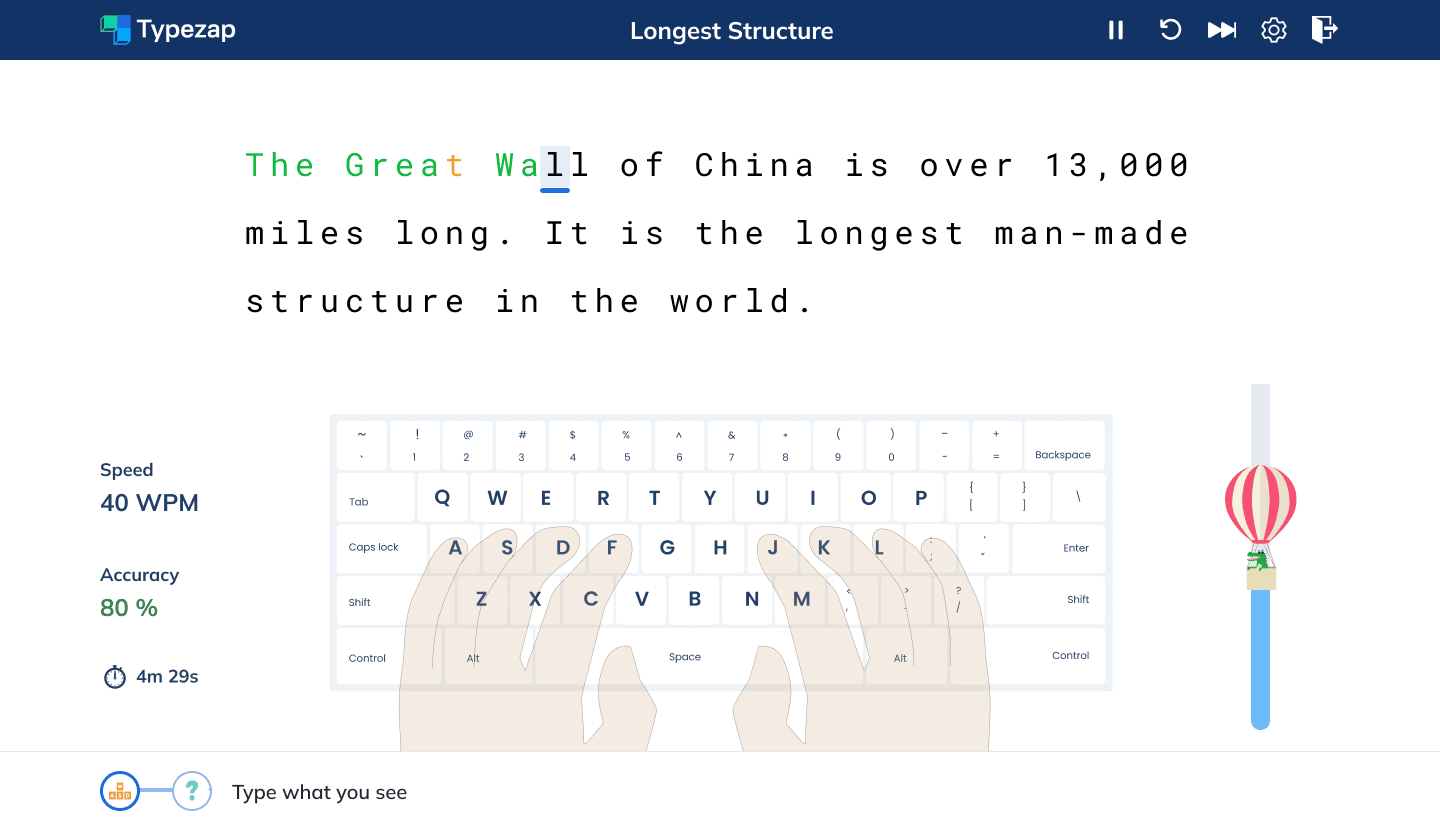
Typing & Learning Interface
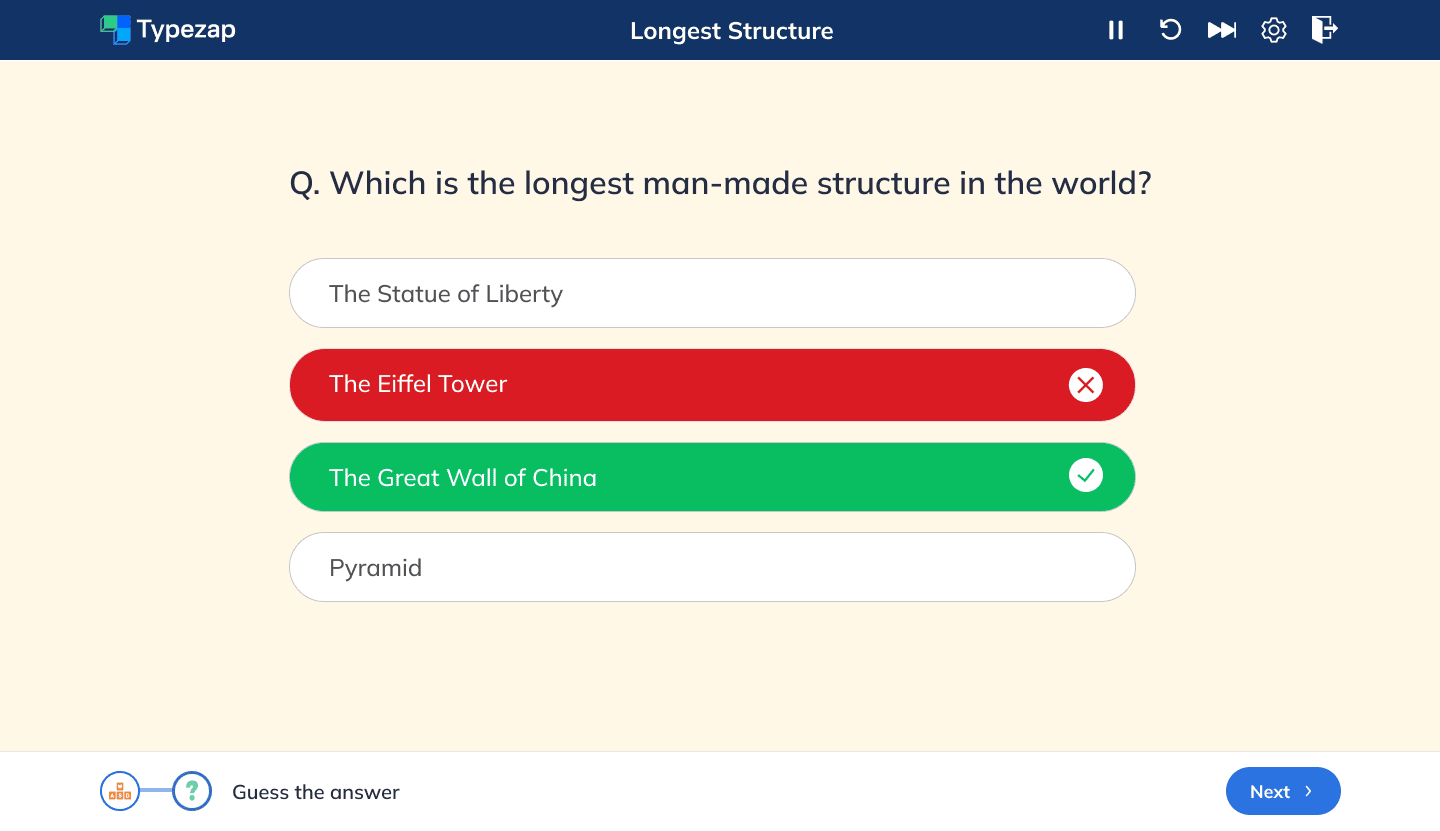
Interactive Knowledge Check
Interviews, Live Observations & Data
We took the Learn-o-Type feature into a second round of testing in real environments, utilizing live observations and conducting deeper intercept interviews with parents and educators. Crucially, we also closely monitored the new feature's performance and conversion metrics.
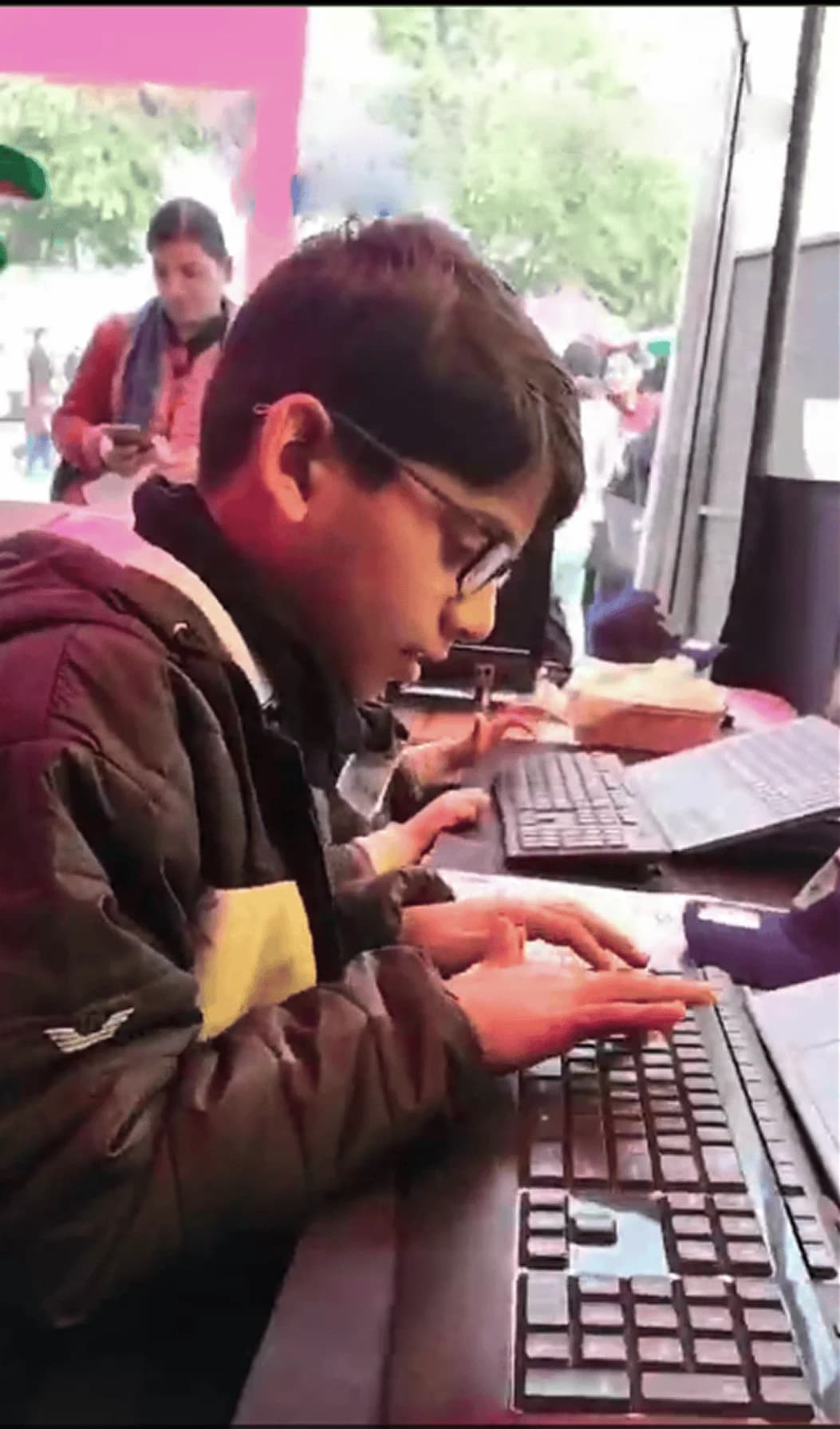
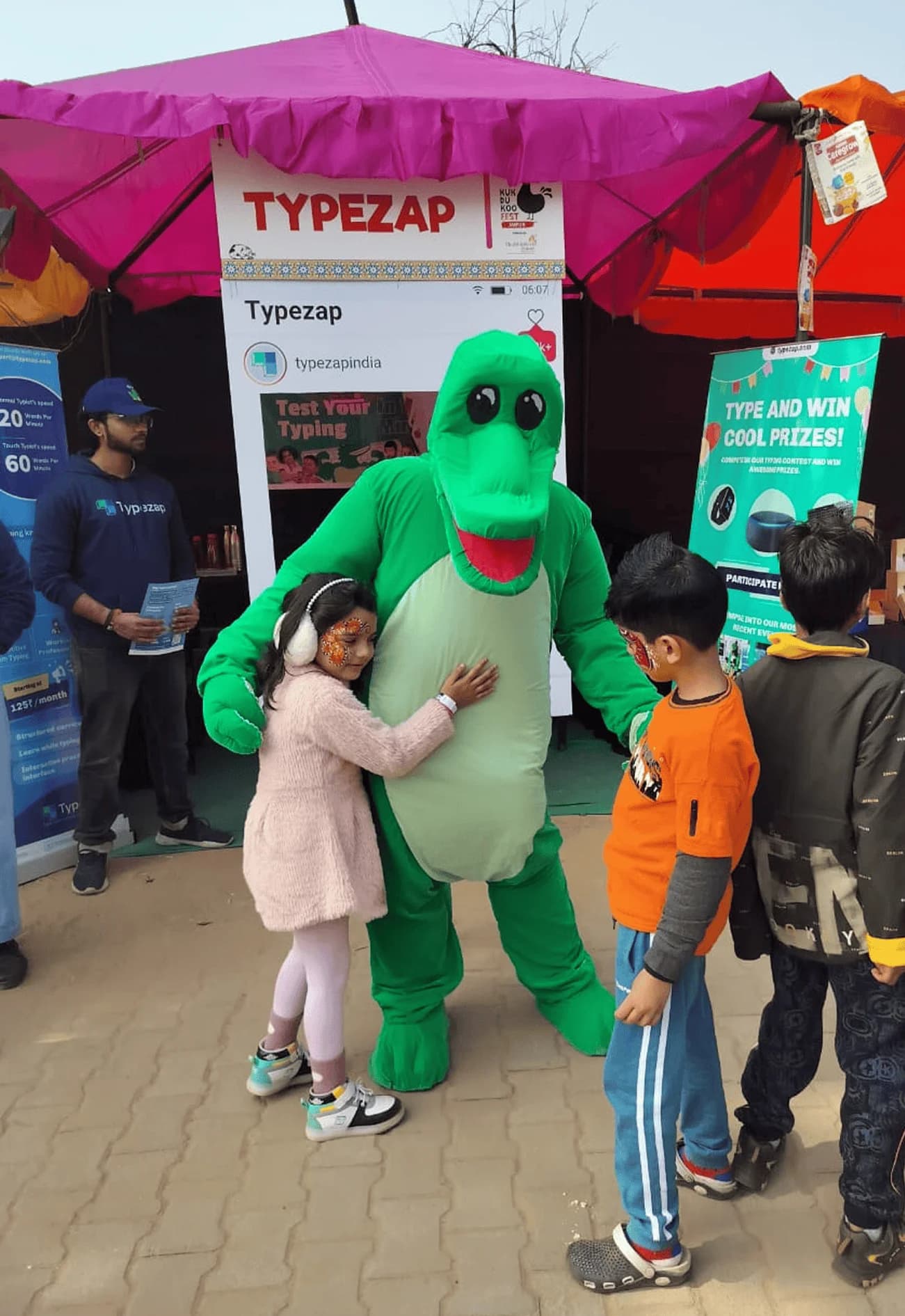
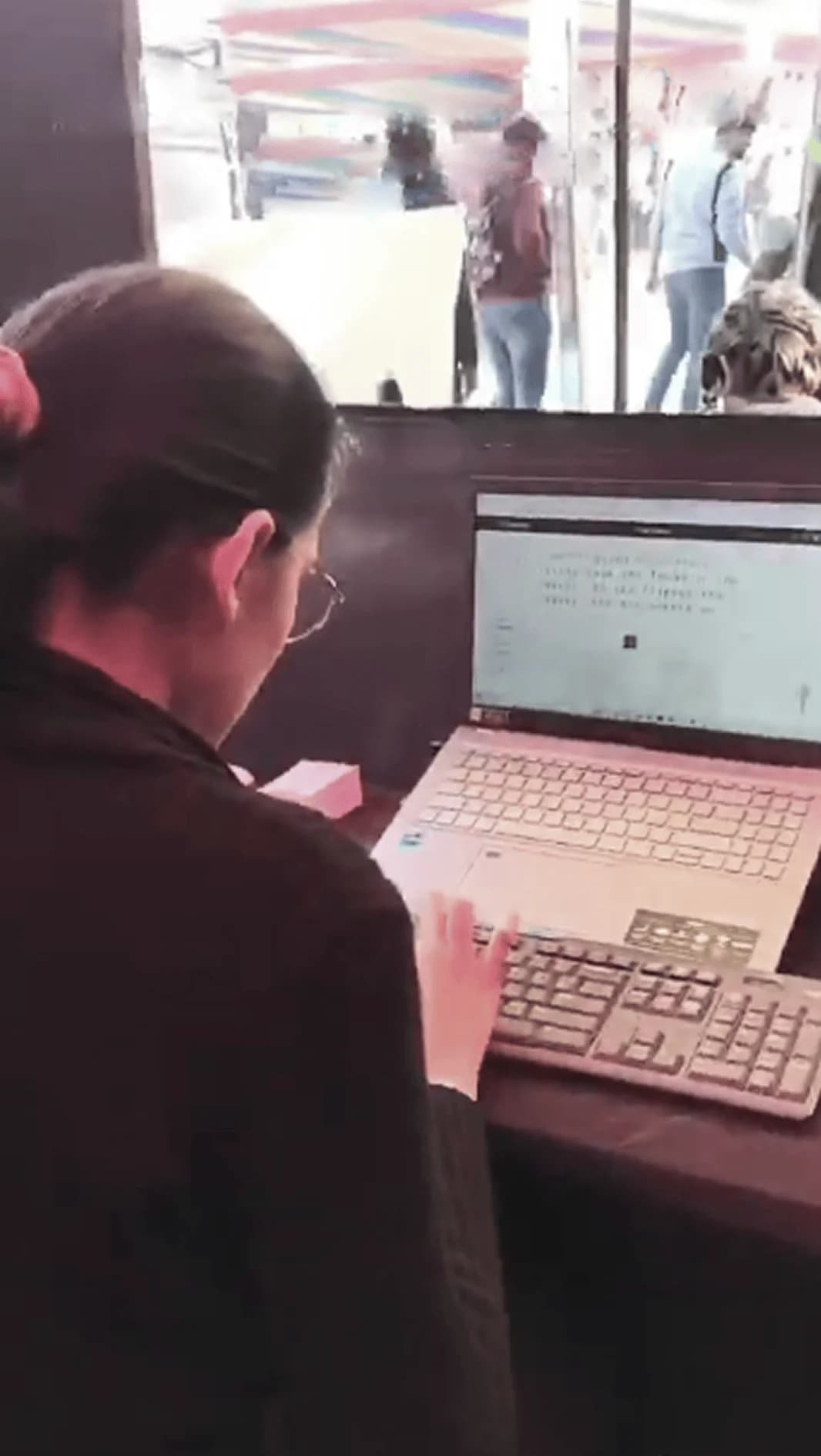
Synthesis from Findings: The Failed Hypothesis
Testing revealed that our hypothesis did not achieve the desired product-market fit. By analyzing the behavior, qualitative feedback, and hard data, we identified major flaws with the Learn-o-Type approach:
- •
Observation Insight (The User Friction): Typing while attempting to read and learn new facts simultaneously actually distracted the kids. It broke the seamless, highly engaging gamified experience we had successfully built in Phase 1.
- •
Data Insight (The Conversion Reality): Internal tracking data showed absolutely no change in our core business metrics. The addition of the Learn-o-Type feature failed to move the needle on overall subscription conversions.
- •
Interview Insight (The Buyer Reality): Parents and educators acknowledged the effort, but they were still much more focused on finding meaningful educational content rather than just typing proficiency masked with random facts.
The Key Takeaway:
The Learn-o-Type feature failed to increase subscription conversions, but it acted as a critical research tool. It proved that we couldn't just "sprinkle" education on top of a niche typing app to win over buyers.
The Turning Point
During this phase, we were aggressively pitching our product to schools to build B2B partnerships while having deeper discussions with parents. Through these conversations, a significant gap in traditional education surfaced: children rarely learn practical, modern life skills such as AI basics, cybersafety, civics (laws and rights), etiquette, and cultural awareness.
This realization completely changed our strategic direction. Instead of trying to force a niche typing tool onto the market, we shifted our focus entirely toward understanding this educational gap. We realized that by pivoting our platform to offer the exact subjects that parents and schools actually wanted, we could achieve much more efficient customer acquisition, higher paid conversions, and stronger long-term retention.
Phase 3 - Pivot & Scale: The Modern Learning Platform
This final phase focused on launching our completely repositioned platform based on targeted demand analysis, ultimately enabling highly efficient, high-converting customer acquisition channels.
Research & Demand Analysis: Finalizing the Curriculum
To ensure our pivot would successfully convert buyers, we didn't just guess what subjects to include. We finalized the new curriculum through a rigorous combination of qualitative and quantitative demand analysis:
- •
Designing User Interviews: I designed and conducted targeted interviews with both parents and school administrators to uncover the exact gaps in traditional education. To avoid leading questions and get to their core willingness-to-pay, I asked questions such as:
- - "What practical skills do you feel are currently missing from your child's standard school curriculum?"
- - "If you were to invest in an extracurricular learning platform today, what specific subjects would make it an immediate 'yes'?"
- - "How do you currently measure the value of the digital learning tools your students/children use?"
- •
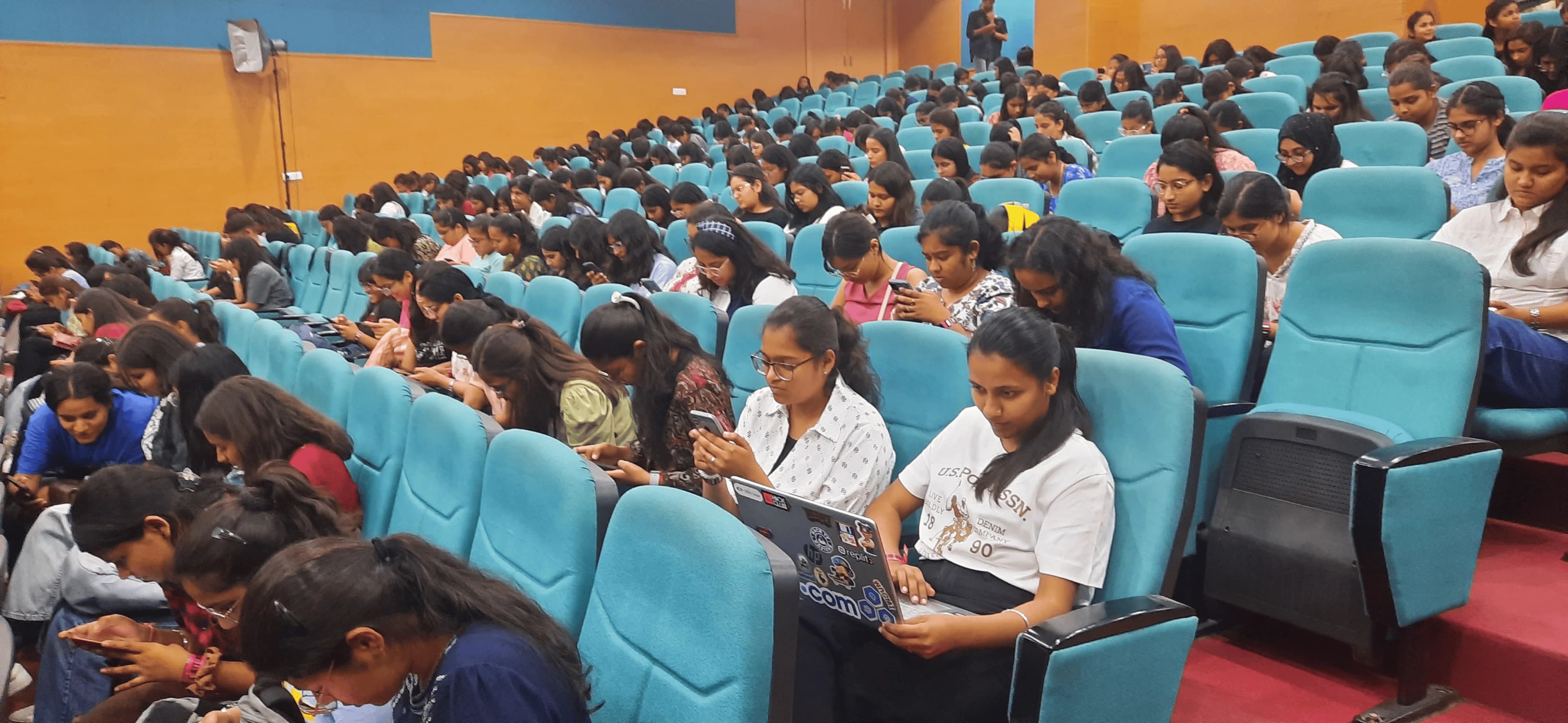
Quantitative Demand Analysis: We cross-referenced these interview insights with search volume data via Google Trends and ran rapid, self-hosted contest campaigns focused on various topics. This allowed us to actively measure which subjects generated the highest click-through and sign-up rates before building them.


The Solution: Rapid Iteration & The Modern Curriculum
Driven by this data, we transformed Typezap from a niche typing tool into an educational platform teaching essential life skills. Typing was retained, but it became just another learning module alongside high-demand subjects like:
- Artificial Intelligence Basics
- Cybersafety & Responsible Digital Habits
- Civics (Laws for kids, rights, etiquette)
- Indian Culture & History
- Problem Solving
- General Knowledge (GK)
Phase 3: Key Screens — Modern Learning Platform
Due to an established design system, we were able to deliver new versions quickly
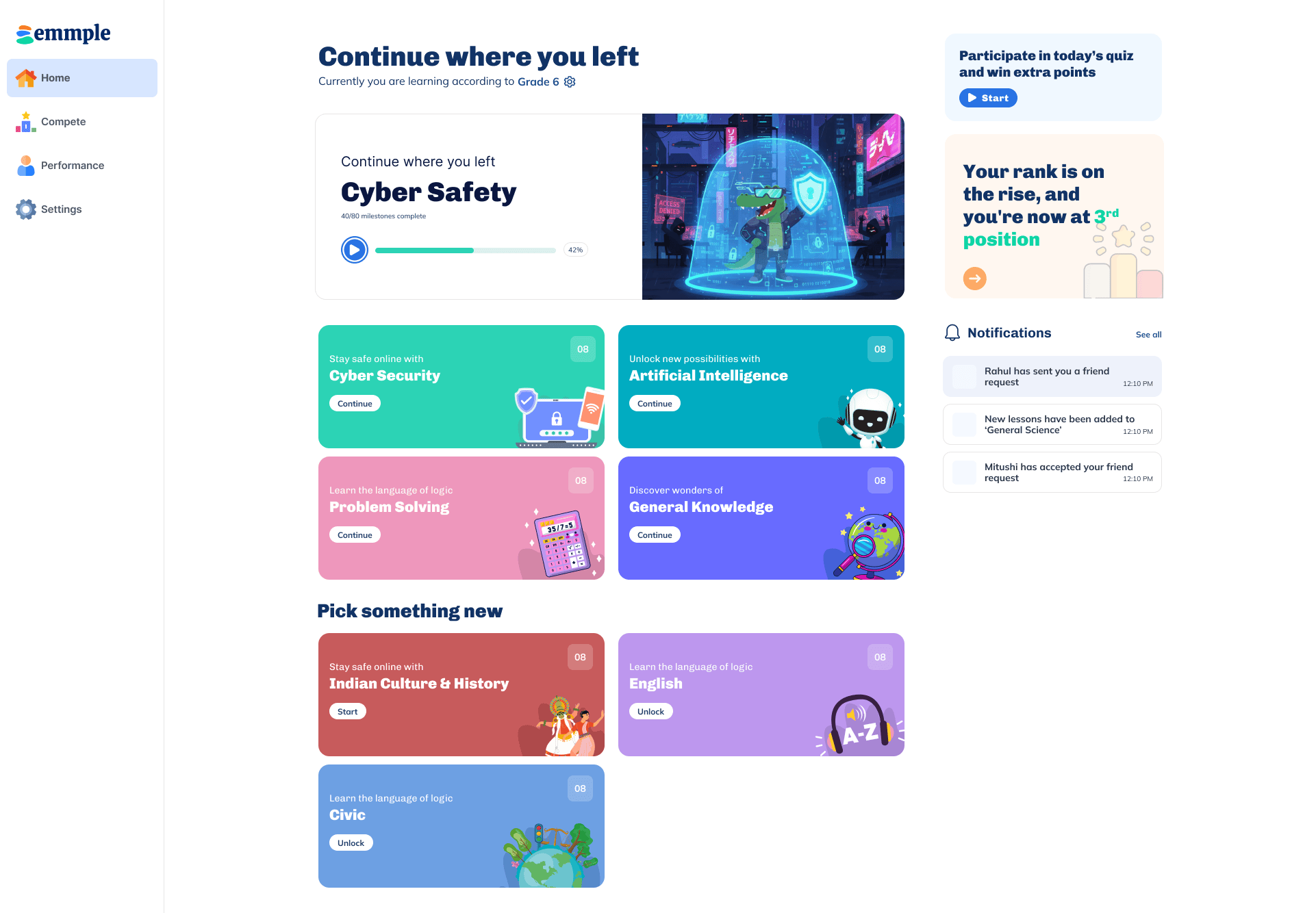
Home Screen
Main dashboard of the modern learning platform with subject categories and navigation
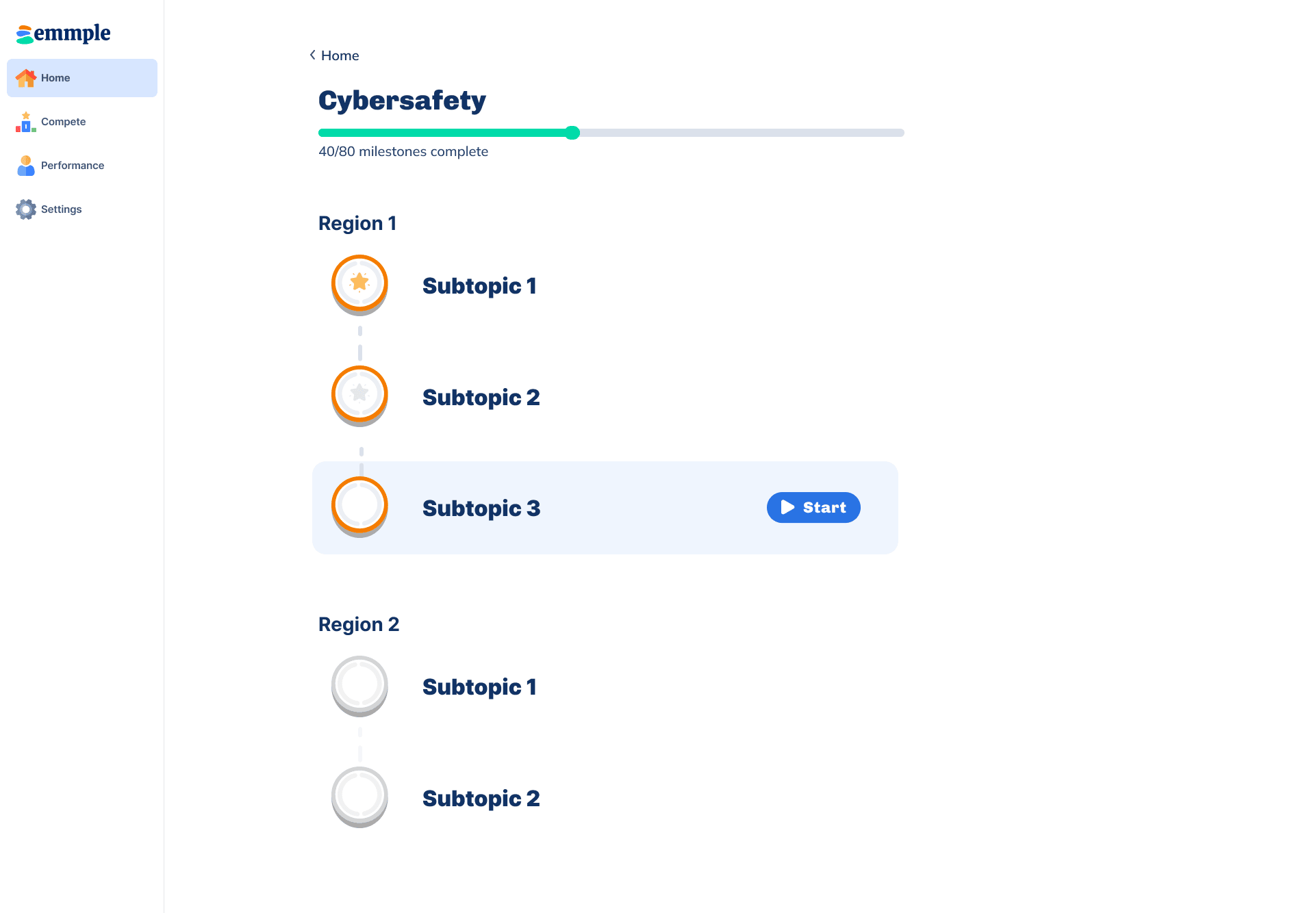
Milestones Page
Milestones page for any subject showing progress and course structure
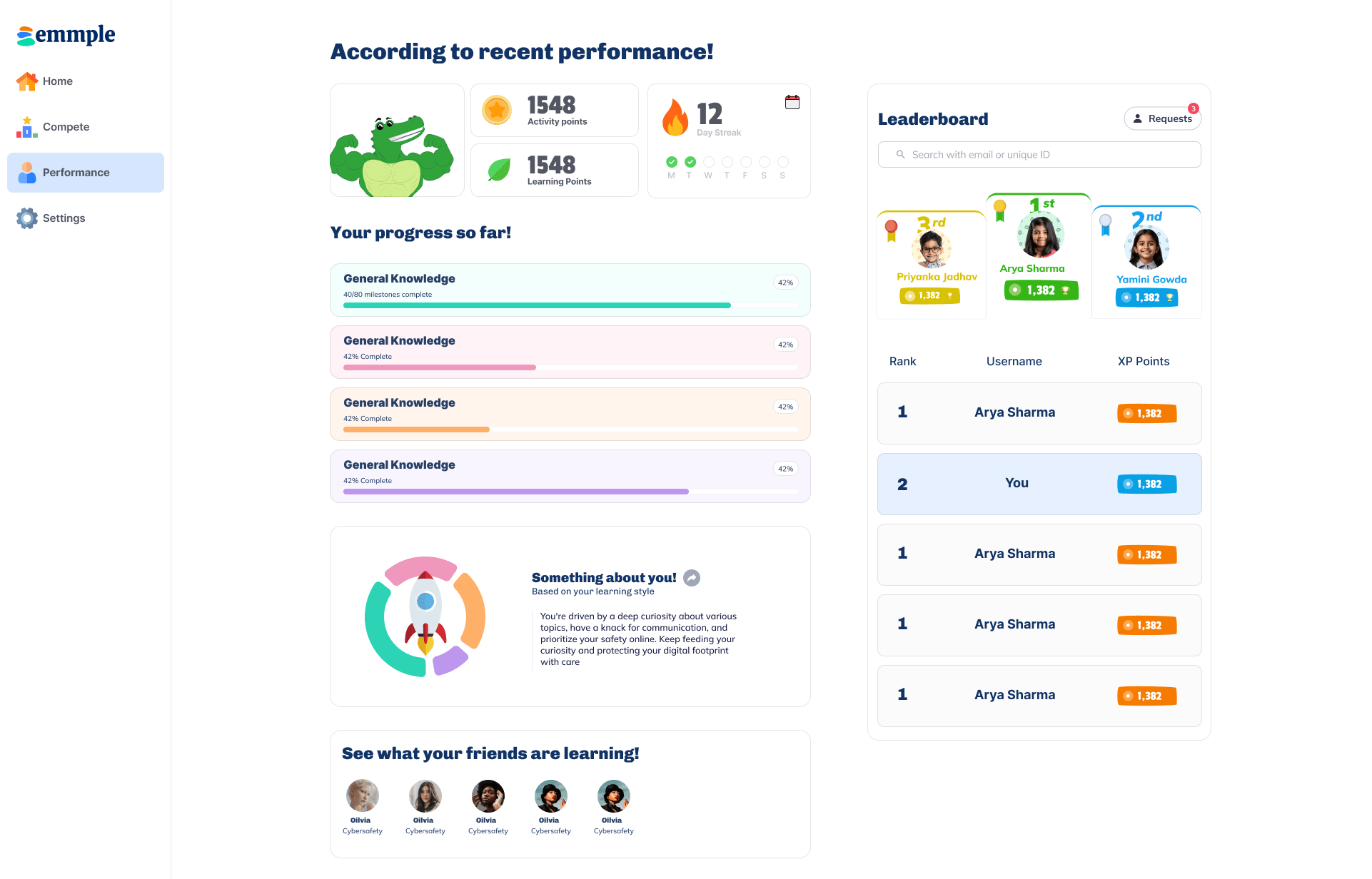
New Performance Page
New performance page showing user progress, achievements, and leaderboard
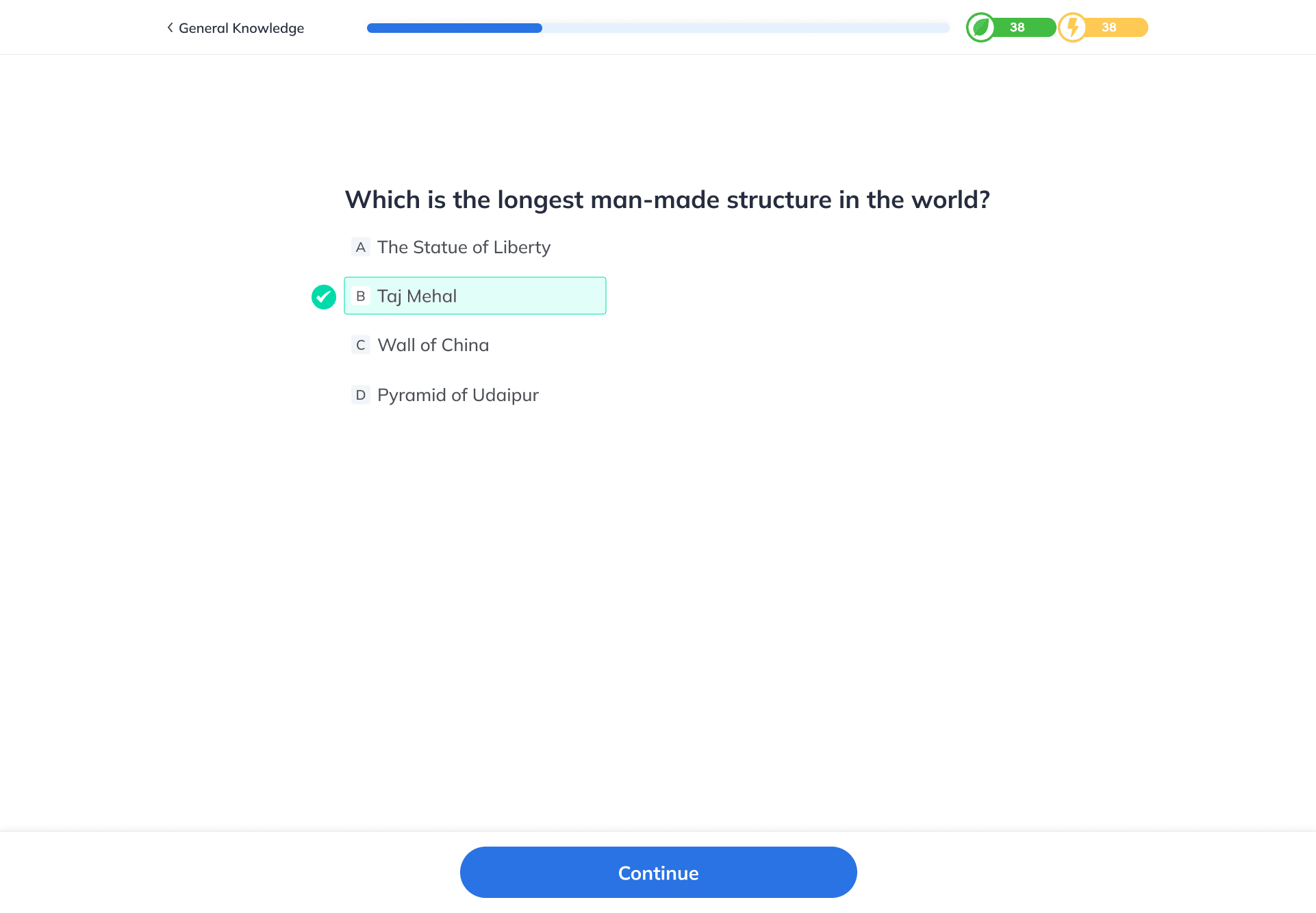
Question Interface
Interactive question and learning interface for educational content
Unlocking Two High-Converting Acquisition Channels
A major business benefit of this strategic pivot was the enablement of two highly effective customer acquisition models that directly solved our buyer bottleneck:
- 1.
Olympiads (B2B School Integration): We introduced Olympiads—a familiar competition format that naturally aligned with existing school practices. This allowed us to reach our final users (the kids) through a highly trusted source (the schools), minimizing adoption friction and establishing instant credibility with parents.
- 2.
Online Contest Campaigns (B2C Engine): We leveraged targeted online contests as a continuous traffic engine for the platform. Not only did these campaigns bring in new users at a high conversion rate, but they also served as an ongoing testing ground to validate demand for future subjects and interests.
Synthesis from Findings: Achieving Product-Market Fit
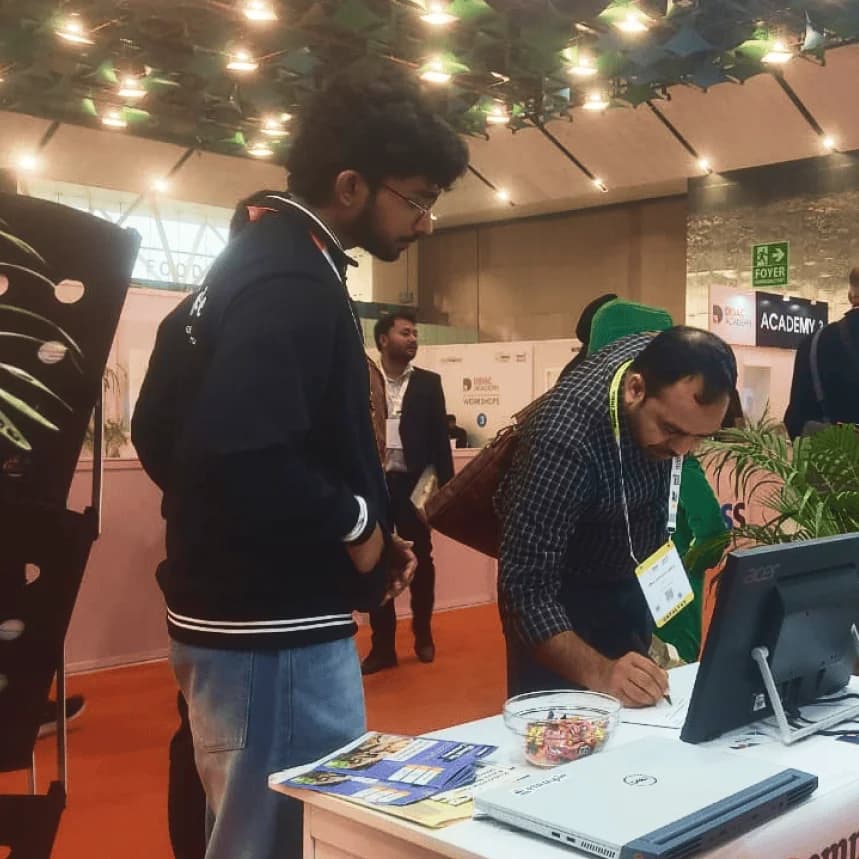
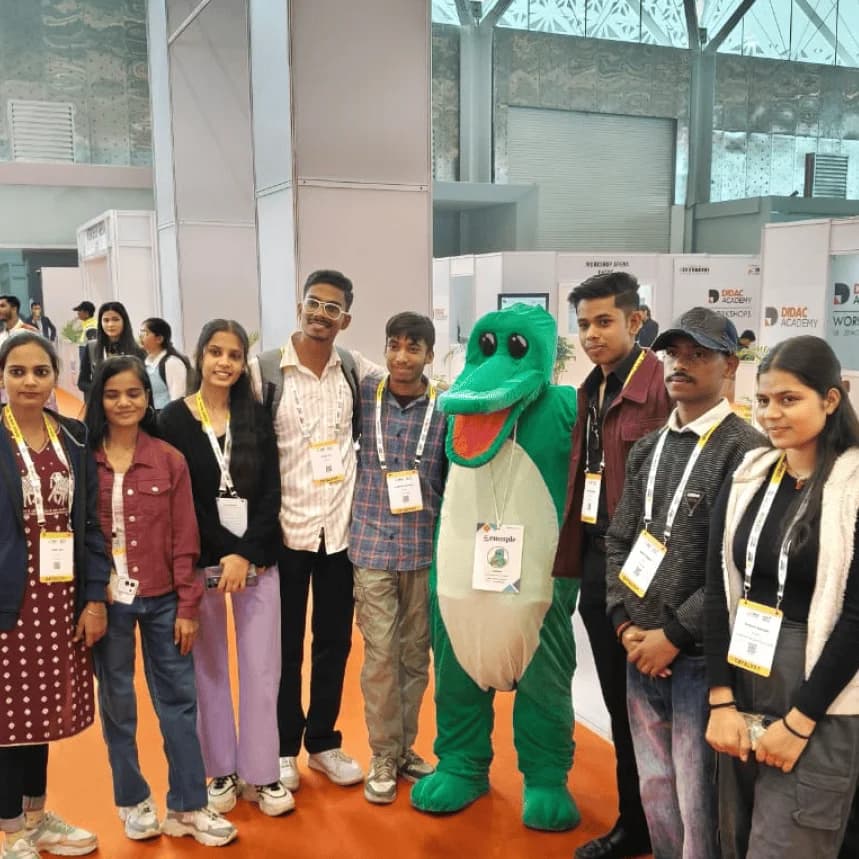
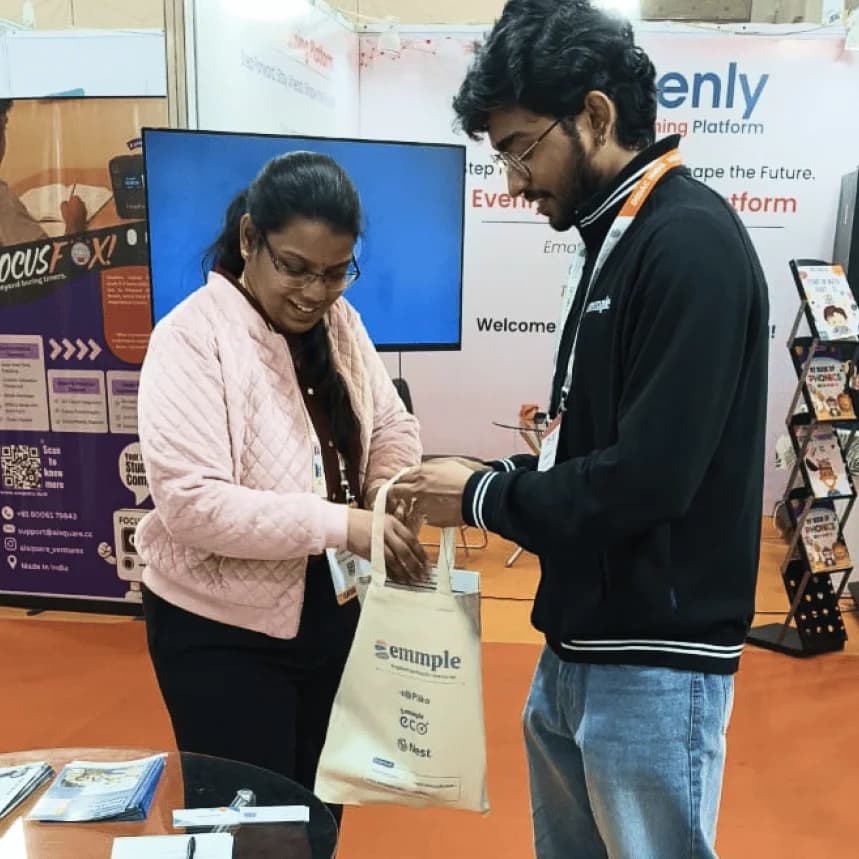
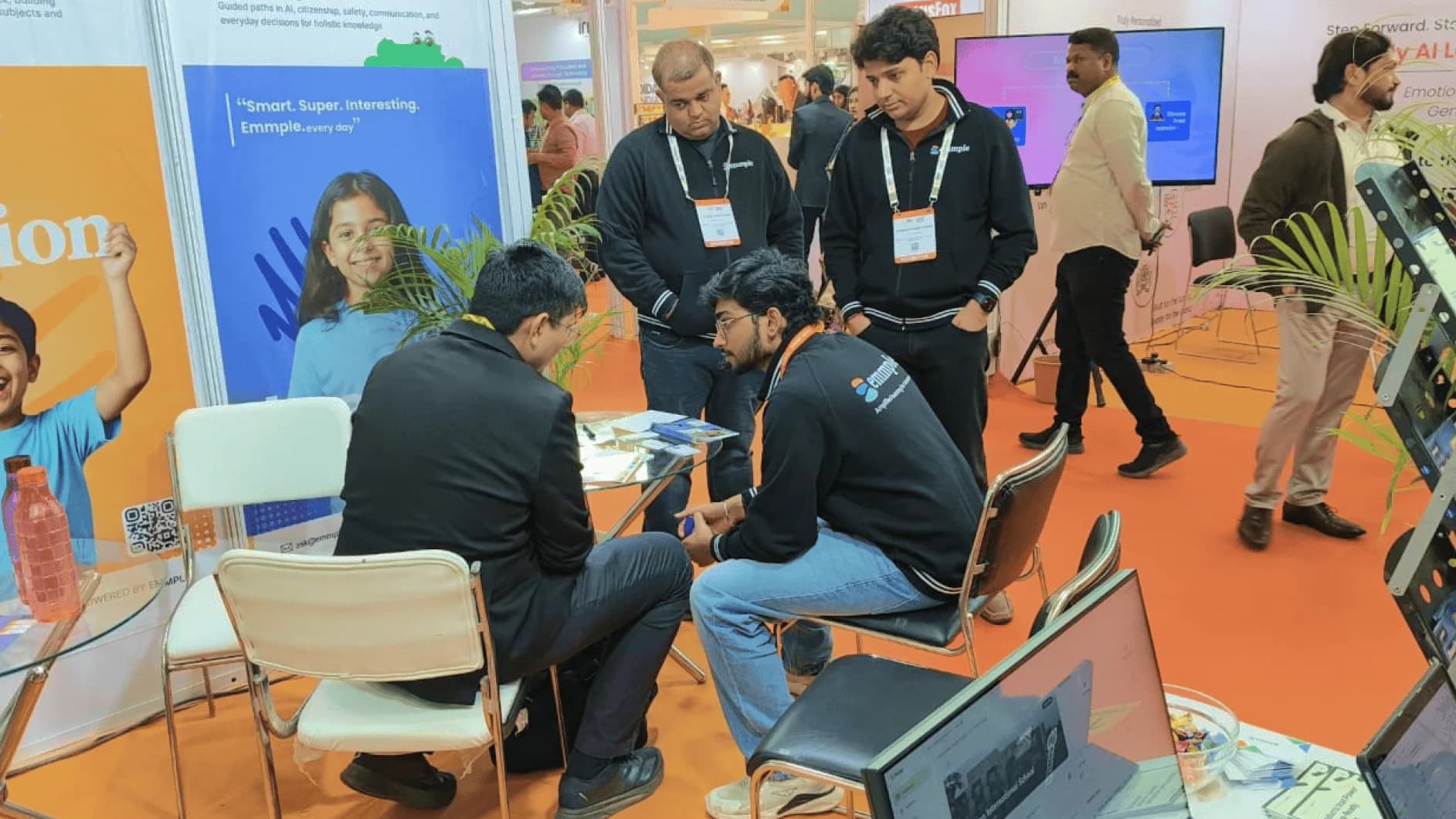
After rapidly iterating and launching this final version, we presented the new Typezap at DIDAC 2025 (Asia's biggest event for educators), which provided massive market validation.

The Key Takeaway:
We successfully achieved true Product-Market Fit. By utilizing strategic user interviews and contest campaigns to align our product with buyer demand, we solved our conversion problem—growing paid conversions from 0.2% to 4% (a 20x increase). The Olympiads and contest models drove scalable growth, while the new curriculum justified long-term financial investment from parents and schools.
Reflections and Takeaways
- •
Listen to the market, don't force it: Spending marketing dollars to force parents to care about typing was inefficient; running non-typing campaigns to see what they actually cared about unlocked our product-market fit.
- •
Failed iterations are valuable data: The failure of "Learn-o-Type" proved that we couldn't just put a band-aid on the typing experience; we needed a foundational pivot.
- •
Triangulate your data: Combining qualitative parent interviews with hard quantitative data from ad campaigns and contest participation gave us the confidence to completely change the company's direction.
- •
Consistent visual identity, including Leorio, helped build trust and brand recognition among kids and parents.
Explore More Projects
Check out some of my other work
Let's Create Something
Extraordinary
I'd love to hear from you. Whether you want to connect, collaborate, or just say hello—feel free to reach out.